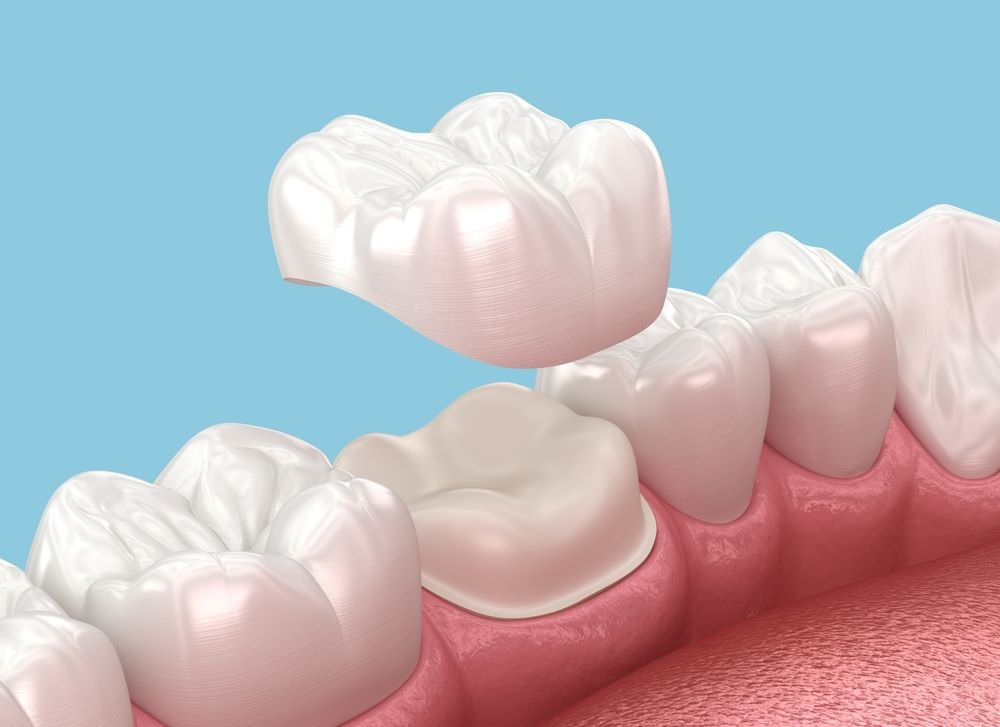
A damaged tooth can affect much more than the appearance of a smile. Decay, fractures, extensive fillings, wear, trauma, and changes in tooth structure can affect how comfortably and effectively a tooth functions. A dental crown is one restorative option used to cover a prepared tooth and restore its shape, size, function, and appearance. However, placing a crown is not simply a matter of covering a damaged tooth. A detailed evaluation is needed first to determine the condition of the tooth and whether a crown is an appropriate restoration.
For patients researching Tooth Crown Dubai, understanding the evaluation process can make the treatment journey easier to understand. At Cornerstone Clinic, the assessment may involve a clinical examination, dental imaging, evaluation of the remaining tooth structure, and consideration of the tooth’s function and position within the mouth. Digital scans or impressions can then be used to help design a crown that corresponds with the patient’s individual dental anatomy.
Why Is Tooth Damage Evaluated Before Crown Placement?
Every damaged tooth has different characteristics. One tooth may have extensive decay, while another may have suffered a fracture or lost substantial structure because of an old filling. A dentist therefore needs to understand the extent and location of the damage before deciding how the tooth should be restored.
The evaluation helps determine how much healthy tooth structure remains and whether there is enough support for a crown. The dentist can also identify conditions that need to be addressed before the restoration is placed.
Cornerstone Clinic explains that decay or infection should be treated before a new crown is fitted. The clinic also describes crowns as restorations that can be used for heavily decayed, worn, chipped, broken, or otherwise damaged teeth.
This assessment provides the foundation for creating a personalised treatment plan rather than applying the same approach to every damaged tooth.
What Happens During the Initial Dental Examination?
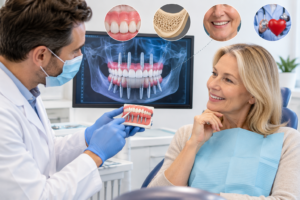
The process generally begins with a consultation and examination. The dentist reviews the patient’s concerns and examines the affected tooth along with the surrounding teeth and gums.
The visible part of the tooth is assessed for signs of decay, fractures, missing structure, changes in shape, old restorations, and other abnormalities. The dentist may also examine how the tooth relates to neighbouring teeth and how the upper and lower teeth meet.
Cornerstone Clinic states that its dental crown consultation can include a comprehensive oral health assessment, clinical photographs, digital X-rays, and other diagnostic imaging where required.
The information collected during this stage helps the dentist determine the condition of the tooth before preparation begins.
How Is Tooth Decay Evaluated?
Tooth decay is an important consideration when assessing a tooth for a crown. The dentist looks at the visible tooth structure and determines how much of the tooth has been affected.
Decay can sometimes extend beyond what is immediately visible. For this reason, clinical examination may be supplemented by dental X-rays or other imaging when appropriate.
The dentist evaluates the location and extent of the decay and considers how much healthy tooth structure remains. If decay is present, it generally needs to be addressed before the final crown is fitted. Cornerstone Clinic specifically notes that decay should be treated before crown placement.
This step is important because the crown needs a suitable foundation beneath it.
How Are Cracks and Fractures Assessed?
A cracked or fractured tooth requires careful evaluation because the location and extent of the damage can vary significantly.
The dentist may inspect the visible surfaces of the tooth and assess whether a fracture affects the crown of the natural tooth, extends deeper into the structure, or is associated with other dental concerns. The tooth’s history is also relevant, particularly if the damage followed an accident, biting incident, or previous dental treatment.
A crown may be considered when a tooth has lost substantial structure and requires additional coverage and support. Cornerstone Clinic describes crowns as an option for broken, fractured, or damaged teeth, depending on the individual assessment.
The precise treatment approach depends on the condition of the remaining tooth and the dentist’s clinical findings.
How Is the Remaining Tooth Structure Examined?
One of the central questions during crown planning is how much natural tooth structure remains.
A crown is designed to cover a prepared tooth, so the dentist needs to determine whether there is enough remaining structure to support the restoration. The evaluation includes looking at the height, width, walls, and overall condition of the tooth.
If substantial structure has been lost through decay, fracture, or previous restoration, the dentist may consider whether the tooth can be rebuilt sufficiently before the crown is placed.
Cornerstone Clinic notes that where severe decay or damage has resulted in significant structural loss, filling material may sometimes be used to rebuild the tooth before crown placement.
This assessment allows the dentist to plan the preparation and restoration around the actual condition of the tooth.
Why Are Existing Fillings Considered?
Large or older fillings can affect the structural condition of a tooth. During an examination, the dentist can assess the existing restoration and the amount of natural tooth remaining around it.
If an old filling occupies a substantial portion of the tooth, the dentist may consider whether a crown would provide a more appropriate form of structural restoration than another conventional filling.
Cornerstone Clinic describes crowns as an option for teeth that are extensively restored or weakened and explains that existing fillings may be removed during crown preparation where necessary.
The decision depends on the individual tooth rather than simply the presence of a filling.
Are Dental X-Rays Used Before a Crown?
Dental X-rays can provide information that cannot always be obtained from a visual examination alone. They can help the dentist assess the tooth beneath the visible surface and examine the surrounding structures.
Cornerstone Clinic states that examination and X-rays may be used when evaluating a tooth before crown treatment.
Imaging may be particularly useful when the dentist needs additional information about the extent of decay, the condition of the tooth’s internal structures, or surrounding areas.
The type of imaging selected depends on the clinical situation and what information the dentist needs for treatment planning.
How Is the Tooth’s Internal Condition Considered?
The visible condition of a tooth does not always provide the complete picture. A tooth may have significant structural damage while appearing relatively intact externally.
The dentist may therefore consider the condition of the tooth internally, particularly when there is a history of extensive decay, trauma, previous dental treatment, or symptoms that warrant further investigation.
If the tooth requires treatment of the internal dental structures before restoration, this needs to be addressed as part of the overall treatment plan. Cornerstone Clinic notes that severely damaged teeth may require root canal treatment before crown placement in appropriate cases.
The purpose of this stage is to ensure that the tooth is appropriately prepared for the planned restoration.
How Are Gums Evaluated Before Crown Placement?
The condition of the surrounding gums is another part of a comprehensive dental assessment. A crown sits at the boundary between the restored tooth and the surrounding oral tissues, so the dentist needs to evaluate the area around the tooth.
The dentist may examine the gum line, surrounding tissue, and general oral condition. If there are dental or gum concerns that need attention, they may be incorporated into the treatment plan before crown placement.
Cornerstone Clinic’s crown procedure guidance indicates that conditions affecting the gums may need to be addressed before crown and bridge treatment proceeds.
This helps establish an appropriate environment for the restoration.
How Is Tooth Position Evaluated?
The position of the damaged tooth within the dental arch can influence crown design and preparation.
The dentist considers how the tooth sits next to adjacent teeth and how it relates to the opposing tooth. A crown must fit within the available space while maintaining an appropriate relationship with surrounding teeth.
This is particularly relevant when a tooth has shifted, become worn, or changed shape because of previous damage.
Evaluating tooth position allows the dentist to design the restoration according to the patient’s existing dental anatomy rather than treating the damaged tooth in isolation.
Why Is the Bite Checked Before Crown Placement?
The bite describes how the upper and lower teeth come together. It is an important part of crown planning because the new restoration needs to function as part of the patient’s existing bite.
The dentist may assess how the affected tooth contacts the opposing tooth and whether there is sufficient space for the planned crown.
During the final fitting, Cornerstone Clinic also describes checking the crown’s fit and bite alignment before permanently bonding the restoration.
Evaluating the bite both before and during placement helps the dentist refine the shape and position of the restoration.
How Is Tooth Shape Considered During the Assessment?
The dentist does not only evaluate damage. The original shape of the tooth is also considered.
A crown is designed to restore the tooth’s visible form, so the dentist may assess its natural contours, width, height, and relationship with adjacent teeth. For front teeth, appearance and colour matching can be particularly important. For back teeth, the shape of the chewing surface and relationship with opposing teeth may receive greater attention.
Cornerstone Clinic explains that dental crowns can restore the size, shape, strength, and aesthetics of damaged teeth.
This allows the final restoration to be designed according to both functional and aesthetic requirements.
How Are Digital Scans Used?
Modern dental technology can make the process of recording tooth shape more precise. Digital scanners can capture detailed information about the tooth and surrounding dental structures.
Cornerstone Clinic describes using CAD-CAM scanning technology to create a three-dimensional model that can be used to prepare a customised crown.
Digital scanning can provide the dental team with information about the prepared tooth and neighbouring structures. This information can then support the design and fabrication of the restoration.
In suitable cases, digital workflows can also make the process more efficient by reducing reliance on conventional impressions.
Why Is Crown Material Considered During Evaluation?
The condition and location of the tooth can influence the choice of crown material. Different materials have different aesthetic and functional characteristics.
Cornerstone Clinic lists options including feldspathic and zirconia crowns and notes that all-ceramic crowns are commonly selected when a natural-looking appearance is a priority.
The dentist can discuss the available materials based on the tooth’s location, functional requirements, appearance, and individual treatment objectives.
The choice is therefore part of the broader assessment rather than a decision made independently of the tooth’s condition.
How Is Treatment Planned After the Damage Assessment?
Once the examination is complete, the dentist can bring together the findings from the clinical assessment, imaging, tooth measurements, and patient’s treatment goals.
The plan may involve preparing the tooth, rebuilding missing structure where appropriate, taking a digital scan or impression, and placing a temporary crown while the permanent restoration is prepared.
Cornerstone Clinic describes a process in which the tooth is prepared, digital scans or impressions are taken, a temporary crown may be fitted, and the permanent crown is subsequently checked for fit, colour, shape, and bite before final placement.
The exact sequence can vary according to the condition of the tooth and the type of crown being used.
What Factors Can Affect Tooth Crown Cost in Dubai?
The Tooth Crown Cost in Dubai is not necessarily the same for every patient because treatment requirements vary.
Factors that may influence the overall cost include the crown material, the number of teeth being treated, the complexity of the restoration, the condition of the tooth, and whether additional dental treatment is required before crown placement.
Cornerstone Clinic notes that dental crown costs can vary according to the tooth’s condition, crown type, and treatment complexity.
A consultation provides an opportunity for the dentist to assess the tooth and explain which treatment components apply to the individual case.
What Happens After the Tooth Has Been Evaluated?
Once the dentist determines that a crown is appropriate and the tooth is ready for restoration, the tooth can be prepared to create the required space for the crown.
A digital scan or impression can then be taken to help produce a customised restoration. Depending on the treatment workflow, a temporary crown may be fitted while the permanent crown is being made.
At the subsequent appointment, the dentist checks the permanent crown’s shape, colour, fit, and bite before securing it.
This staged approach allows the restoration to be assessed before final placement.
Why Is Individual Assessment Important?
No two damaged teeth are exactly the same. The location, extent, and type of damage can vary, as can the patient’s bite, tooth position, surrounding oral tissues, and aesthetic preferences.
An individual evaluation therefore helps the dentist determine what type of restoration is appropriate and how it should be designed.
For patients considering Tooth Crown Dubai, the consultation is an important opportunity to understand the condition of the tooth and the available treatment approach before proceeding with crown placement.
Conclusion
Evaluating tooth damage before crown placement is an important part of restorative dental care. The dentist may assess decay, fractures, existing fillings, remaining tooth structure, internal condition, gums, tooth position, bite, and overall oral health. Dental X-rays, photographs, digital scans, or other diagnostic methods may be used when appropriate.
At Cornerstone Clinic, the crown planning process is based on an individual assessment of the affected tooth. The information gathered during the consultation helps guide tooth preparation, crown design, material selection, and the final fitting process.
For anyone researching Tooth Crown Dubai, understanding this evaluation process shows why a detailed consultation is an important first step. The dentist can determine whether a crown is suitable and develop a treatment plan based on the tooth’s existing structure, function, appearance, and overall dental requirements.
FAQs
How does a dentist evaluate a damaged tooth before a crown?
The dentist examines the visible tooth structure, checks for decay or fractures, evaluates existing fillings, assesses the remaining tooth structure, and considers the tooth’s position and bite. X-rays or digital scans may also be used when necessary.
Why is an X-ray needed before a dental crown?
An X-ray can provide information about structures that are not fully visible during a routine examination. It may help the dentist evaluate the extent of dental damage and plan appropriate treatment.
Can a badly decayed tooth receive a crown?
A heavily decayed tooth may be suitable for a crown if sufficient structure can be restored to support the restoration. Any necessary decay treatment should be completed before the permanent crown is placed.
Is a crown suitable for a broken tooth?
A crown may be considered for a broken or fractured tooth when the remaining structure can support the restoration. The dentist needs to assess the extent and location of the fracture before recommending treatment.
Does an old filling affect crown placement?
An extensive or damaged filling can affect the amount of natural tooth structure remaining. The dentist can evaluate the filling and surrounding tooth structure when determining whether a crown is appropriate.
Are digital scans used for dental crowns?
Yes. Digital scanning can be used to create a three-dimensional representation of the teeth and support the design of a customised crown. Cornerstone Clinic describes CAD-CAM scanning as part of its crown workflow.
How does the dentist check whether there is enough tooth structure for a crown?
The dentist examines the remaining walls and surfaces of the tooth and evaluates how much healthy structure remains after accounting for decay, fractures, fillings, or previous treatment. This helps determine whether the tooth can provide a suitable foundation for the crown.
Is the bite checked before a tooth crown is fitted?
Yes. The dentist considers how the affected tooth contacts the opposing teeth. Bite alignment is also checked during the final crown fitting so that the restoration can be appropriately adjusted.
What happens if the tooth needs treatment before a crown?
If the examination identifies decay, infection, or another condition requiring treatment, that issue may need to be addressed before the permanent crown is fitted. In some severely damaged teeth, root canal treatment may be considered before crown placement.
How long does it take to get a tooth crown?
The timeline varies according to the treatment approach and laboratory or digital workflow. Some crown treatments involve preparation followed by a separate fitting appointment, while certain digital workflows may allow the restoration to be prepared more quickly.
What determines the Tooth Crown Cost in Dubai?
The Tooth Crown Cost in Dubai can depend on factors such as the crown material, tooth condition, number of crowns required, treatment complexity, and any additional dental procedures needed before placement.
How is the colour of a crown selected?
The dentist can assess the colour of the surrounding teeth and select a crown shade intended to coordinate with the patient’s natural smile. The final colour is considered alongside the crown’s shape and overall appearance during the fitting process.
Can a crown restore the shape of a damaged tooth?
Yes. Dental crowns are designed to cover a prepared tooth and can restore its size, shape, and appearance while providing a functional restoration.
Where can I have a tooth crown consultation in Dubai?
Cornerstone Clinic provides dental crown consultations in Dubai, where the dental team can evaluate the affected tooth and discuss suitable restoration options based on the individual dental condition.