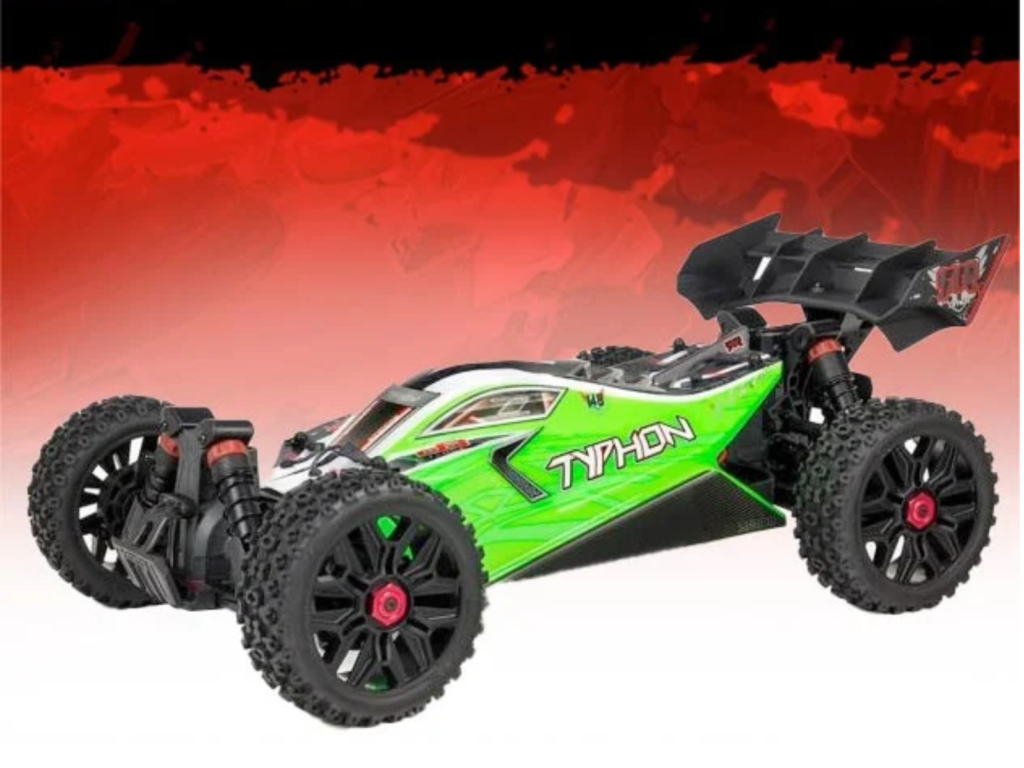
The motor is one of the most important components of an RC car. It affects speed, acceleration, efficiency, maintenance, and overall driving performance. Two of the most common motor types are brushed and brushless motors.
Understanding the difference between them can help RC enthusiasts choose a vehicle that matches their experience and driving style.
What Is a Brushed Motor?
A brushed motor uses physical brushes and a commutator to transfer electrical current to the motor’s rotating components. This technology has been used in RC vehicles for many years.
Brushed motors are relatively simple and can be less expensive to manufacture. They are commonly found in entry-level RC cars, making them a familiar option for beginners.
Because the brushes experience physical contact during operation, they can gradually wear down. This means brushed motors may require more maintenance or eventual replacement depending on usage.
What Is a Brushless Motor?
Brushless motors use electronic components rather than physical brushes to control the motor. This design reduces mechanical contact inside the motor and can provide greater efficiency and performance.
Brushless motors are commonly used in higher-performance RC vehicles. They can provide stronger acceleration and higher speeds when paired with the appropriate battery, gearing, and electronics.
However, the motor itself is only one part of the overall system. The vehicle’s electronic speed controller, battery, gearing, and drivetrain also influence performance.
Key Differences
The biggest differences between brushed and brushless motors include:
Speed: Brushless systems can generally provide higher performance.
Efficiency: Brushless motors can operate more efficiently because they do not have physical brushes creating friction.
Maintenance: Brushed motors have components that wear over time, while brushless motors generally require less routine motor maintenance.
Cost: Brushed RC cars are often more affordable, while brushless models can cost more because of their performance-oriented components.
Driving Experience: Brushless vehicles can provide stronger acceleration and higher top speeds, which may appeal to experienced hobbyists.
Which Motor Is Better for Beginners?
There is no single answer for every beginner. A brushed RC car can be a practical introduction because it is generally simpler and less expensive.
For someone who already has experience with RC vehicles or wants higher performance from the beginning, a brushless model may be worth considering.
The right choice depends on how you intend to use the vehicle.
Consider the Battery Too
Motor performance should always be considered alongside the battery. A brushless motor paired with an appropriate LiPo battery can deliver considerably more performance than a basic brushed setup.
However, higher performance also means greater responsibility. Beginners should understand battery handling, charging, storage, and compatibility before moving to more powerful setups.
Is a Brushless Upgrade Worth It?
For hobbyists who already own a compatible RC vehicle, upgrading from brushed to brushless can be an effective way to increase performance. However, the upgrade may require more than simply replacing the motor.
The electronic speed controller, battery, gearing, and drivetrain should all be compatible with the new setup.
Final Thoughts
Both brushed and brushless motors have a place in the RC hobby. Brushed systems can be suitable for beginners and casual drivers, while brushless systems offer the performance and efficiency that many experienced hobbyists seek.
Instead of choosing based solely on motor type, consider your budget, experience, driving environment, maintenance preferences, and desired performance before buying.