Maintaining a home involves more than addressing major renovations. Small cracks, holes, damaged drywall, peeling paint, and weathered exterior surfaces can gradually affect both the appearance and condition of a property. Taking care of these issues as they develop can help keep a home looking well maintained while preventing minor problems from becoming more extensive.
For homeowners in Greenville, South Carolina, drywall and exterior surfaces are exposed to everyday wear as well as changing weather conditions. A professional handyman service can address both interior repairs and exterior improvements, allowing homeowners to manage several maintenance needs as part of one overall project. Drywall repair & installation, along with interior and exterior painting, are among the services offered by Greenville Handyman & Repairs LLC.
Why Does Drywall Need Repair?
Drywall provides a smooth, finished surface for walls and ceilings, but it can become damaged in many ways. Furniture can create dents, doors can cause impact damage, and accidental knocks can leave holes or cracks. Water-related problems can also affect drywall, particularly when there has been a plumbing leak or moisture intrusion.
Some damage may be purely cosmetic, while other problems can indicate an underlying issue. A small nail hole is very different from drywall that has become soft or swollen because of moisture. Understanding the cause of the damage is therefore an important part of determining the appropriate repair.
Common Types of Drywall Damage
Drywall problems can range from minor imperfections to larger sections requiring replacement. Small nail holes and screw holes are common in homes where pictures, shelves, or other fixtures have been installed and removed.
Larger holes can occur when furniture impacts a wall or when fixtures are removed. Cracks may develop around joints, corners, ceilings, doors, or windows. In some cases, recurring cracks can indicate movement or another underlying issue that should be investigated.
Water-damaged drywall requires particular attention. Staining, bubbling paint, soft areas, or swelling can indicate that moisture has reached the material. Simply covering the damaged section with fresh paint may not address the underlying problem.
What Does Drywall Repair Involve?
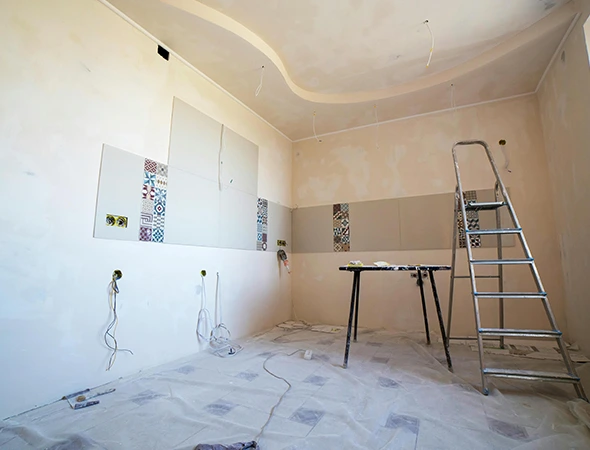
The repair process depends on the size and nature of the damage. A small hole may require filling, sanding, and surface preparation before the area is painted. Larger damage may require cutting away the affected section and installing a replacement piece.
After the damaged material has been addressed, the repaired area needs to blend with the surrounding wall. This can involve joint compound, sanding, texture matching, and careful preparation.
The final stage is painting. Even a technically sound repair can remain noticeable if the repaired area has a different texture or paint finish from the rest of the wall.
When Is Drywall Replacement Necessary?
Not every damaged section requires complete replacement. Small holes, minor dents, and limited cracks can often be repaired without removing a large section of drywall.
Replacement may become more appropriate when the material has extensive water damage, significant deterioration, or a large area of physical damage. If drywall has lost its structural integrity, simply filling or covering the surface may provide only a temporary cosmetic solution.
The condition of the surrounding area should also be considered. If moisture caused the damage, the source of the moisture should be addressed before new drywall is installed.
Why Proper Surface Preparation Matters
Surface preparation is one of the most important parts of achieving a good result. Paint cannot hide every imperfection. Uneven patches, visible seams, sanding marks, and differences in texture can remain noticeable after painting if the surface has not been properly prepared.
Preparation may include cleaning the surface, repairing imperfections, sanding, removing loose material, and applying appropriate primer where needed.
The objective is to create a consistent surface before the final paint is applied.
How Does Exterior Painting Protect a Home?
Exterior paint does more than change the colour of a property. It can form part of the protective layer between exterior surfaces and the surrounding environment.
Outdoor surfaces are exposed to sunlight, rain, moisture, temperature changes, dirt, and general weathering. Over time, these conditions can cause paint to fade, peel, crack, or lose its original appearance.
Refreshing exterior paint can improve the property’s appearance while helping maintain painted surfaces. However, painting should not be treated as a way to conceal significant structural or moisture problems.
Signs Your Home May Need Exterior Painting
A home’s exterior can provide several visual indications that its paint system needs attention. Fading colour is one of the most obvious signs, but peeling, cracking, blistering, and chalky surfaces can also indicate deterioration.
Bare areas where the underlying material has become exposed deserve particular attention because they may be more vulnerable to moisture and weathering.
Homeowners should also look at trim, doors, window surrounds, siding, and other painted features rather than focusing only on large wall surfaces. These smaller areas can deteriorate at different rates depending on their exposure and material.
Why Exterior Preparation Is Essential
Painting directly over a dirty, peeling, or deteriorated surface can lead to an inconsistent and short-lived result. Preparation is therefore an important stage of any exterior painting project.
Depending on the condition of the surface, preparation may involve cleaning, scraping loose paint, sanding rough areas, repairing damaged sections, and priming appropriate surfaces.
The exact preparation required depends on the existing coating and the material being painted. A properly prepared surface gives the new coating a cleaner foundation and can improve its overall appearance.
Choosing Exterior Paint for Greenville Homes
The appropriate exterior paint depends on several factors, including the surface material, existing coating, exposure to weather, and desired finish.
Different exterior surfaces may have different requirements. Wood, masonry, metal, and other materials may require different preparation and coating approaches.
Colour selection also deserves consideration. The colour of a home’s exterior can affect its overall appearance and how architectural features are perceived. Trim and accent colours can be used to highlight doors, windows, architectural details, and other elements.
Rather than choosing a colour in isolation, homeowners can consider the existing roof, landscaping, neighbouring properties, and overall architectural style.
How Drywall Repair and Painting Work Together
Drywall repair and painting are often connected because repairing a wall usually creates a surface that needs to be refinished.
For example, filling a hole leaves a repaired area that may have a different texture and appearance from the surrounding wall. Painting the entire affected section or carefully blending the finish can help create a more consistent result.
This is why it can be useful to approach repair and painting as part of one coordinated project rather than treating them as completely separate tasks.
When Should You Address Wall Damage?
Small wall damage may seem insignificant, but delaying repairs can sometimes make maintenance more complicated. A small crack may become more noticeable, while moisture-related damage can spread if the underlying source is not addressed.
Prompt repairs can also make a home easier to maintain before important events such as selling a property, welcoming guests, or completing other improvement projects.
A professional assessment can help determine whether a problem is purely cosmetic or requires additional investigation.
Preparing a Home for Exterior Painting
Before an exterior painting project begins, homeowners should consider the condition of the surfaces and any repairs that may need to be completed first.
Loose paint, damaged trim, deteriorated surfaces, and areas affected by moisture should be addressed before the final coating is applied.
Outdoor furniture, decorations, planters, and other items may also need to be moved away from the work area. Clear access can make the project more efficient and help protect belongings from dust, preparation debris, and paint.
Benefits of Maintaining Exterior Surfaces
Regular exterior maintenance can help homeowners identify problems before they become more significant. Peeling paint may reveal moisture exposure, while deteriorating trim can eventually allow water to reach more vulnerable areas.
Keeping painted surfaces in reasonable condition can therefore be part of broader property maintenance.
It also helps preserve curb appeal. A fresh, consistent exterior can make a noticeable difference to how a home looks from the street.
When Should You Hire a Professional?
Professional assistance can be useful when drywall damage is extensive, when matching existing textures is difficult, or when the cause of damage is uncertain.
Exterior painting can also involve preparation, ladders, large surface areas, and detailed finishing. Professional help may be particularly valuable when several exterior surfaces need attention or when repairs need to be completed before painting.
A local handyman can also help homeowners combine several smaller projects into a coordinated maintenance plan. Greenville Handyman & Repairs LLC lists drywall repairs, drywall installation, and interior and exterior painting among its residential handyman services. Greenville Handyman & Repairs
Final Thoughts
Drywall and exterior paint both contribute to the condition and appearance of a home. Damaged drywall can make interior spaces look unfinished, while deteriorating exterior paint can leave outdoor surfaces looking weathered and neglected.
Addressing problems early can make maintenance more manageable. Small holes, cracks, and dents may require relatively straightforward repairs, while extensive or moisture-related damage may require more detailed attention. Exterior painting similarly depends on proper preparation, suitable materials, and the condition of the surface underneath.
For Greenville homeowners, combining repair and painting work can provide a practical way to address multiple maintenance needs while keeping the property looking clean, functional, and well cared for.
Frequently Asked Questions
1. How do I know if my drywall needs repair or replacement?
The answer depends on the extent and cause of the damage. Small holes, dents, and minor cracks can often be repaired without replacing an entire section. However, drywall that has extensive water damage, significant deterioration, or major physical damage may require replacement. If moisture is involved, the source should also be identified and addressed before the damaged material is replaced.
2. Can damaged drywall be painted immediately after repair?
Usually, the repaired area needs to be properly finished and prepared before painting. Joint compound or other repair materials may need time to dry, followed by sanding and surface preparation. Primer may also be appropriate depending on the repair and existing wall finish. Painting too early or without proper preparation can make patches and texture differences more visible.
3. How often should a home’s exterior be repainted?
There is no universal schedule because exterior paint longevity depends on the surface material, weather exposure, previous preparation, paint quality, and local conditions. Instead of relying only on a fixed timeframe, homeowners can monitor the exterior for fading, peeling, cracking, blistering, or exposed surfaces. These signs can indicate that maintenance or repainting may be needed.
4. Can exterior painting cover damaged or peeling surfaces?
Painting over damaged surfaces without proper preparation is unlikely to provide a durable result. Loose paint generally needs to be removed, surfaces may need cleaning or sanding, and damaged areas should be repaired before new paint is applied. If the damage is caused by moisture or another underlying problem, that issue should be addressed first rather than simply covering it with a new coating.
5. Why should drywall repair and painting be planned together?
Drywall repairs can leave differences in texture, colour, and surface finish that become noticeable after painting. Planning the two tasks together allows the repaired surface to be properly prepared and refinished. This can create a more consistent appearance and reduce the chance of visible patches or mismatched finishes after the project is completed.