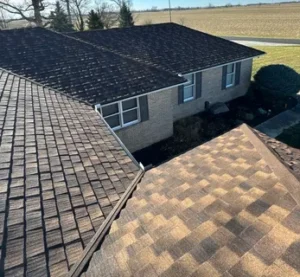
Roof valleys are some of the hardest-working areas on a roofing system.
A valley is created where two roof slopes meet, and during rain or melting snow, a large amount of water is directed through that section of the roof. Because of that concentrated water flow, valleys need to be installed and maintained carefully.
Homeowners who notice problems around these areas can contact Cleveland roofing experts to inspect the roof and determine whether the valley is draining properly or showing signs of damage.
Why Roof Valleys Matter
Roof valleys act like drainage channels.
Water from multiple roof slopes travels toward the valley before moving down toward the gutters.
That means valleys may handle significantly more water than other sections of the roof.
If something goes wrong in this area, leaks can develop quickly.
Common Roof Valley Problems
Several issues can affect roof valleys over time.
These may include:
- Cracked shingles
- Loose roofing materials
- Damaged flashing
- Debris buildup
- Deteriorated underlayment
- Improper installation
- Ice buildup
- Previous patch repairs
Even a small defect can become more serious because of the amount of water that moves through the valley.
Leaves and Debris Can Block Water Flow
Leaves, pine needles, branches, and other debris can collect in roof valleys.
When debris builds up, water may not drain as efficiently.
This can cause moisture to remain on the roofing materials longer than intended.
During Cleveland winters, trapped moisture can also freeze and contribute to ice buildup.
Keeping valleys clear can help reduce these problems.
Winter Conditions Put Extra Stress on Valleys
Snow often collects in roof valleys because of the way roof sections meet.
As temperatures change, snow may melt during the day and refreeze at night.
This repeated freeze-and-thaw cycle can place additional stress on shingles, flashing, and underlayment.
If the valley already has a weak area, winter weather may make the problem more noticeable.
Valley Leaks Can Be Difficult to Trace
Water does not always enter directly above the stain seen inside the home.
A leak in a roof valley may travel along roof decking or framing before appearing on the ceiling.
Homeowners may notice:
- Water stains
- Damp attic insulation
- Darkened decking
- Moisture near interior walls
- Musty odors
Because water can travel, a professional inspection may be needed to identify the actual entry point.
Open Valleys and Closed Valleys
Roof valleys can be installed in different ways.
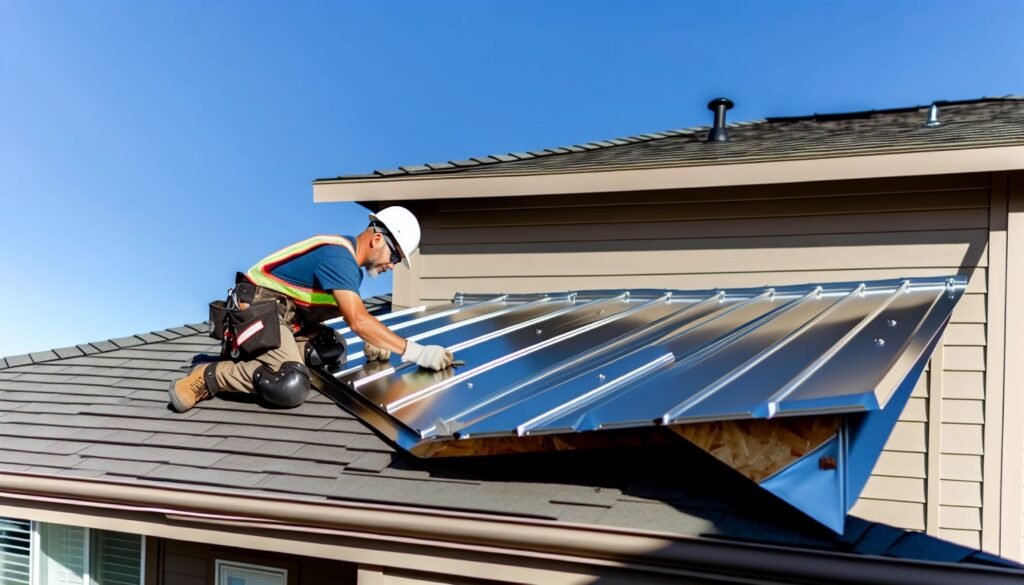
Some roofing systems use an open valley with visible metal flashing.
Others use closed valley methods where shingles cover the area.
The right installation method depends on the roofing system and manufacturer specifications.
Regardless of the design, the goal is the same: move water safely off the roof.
Flashing Is Important
Some valleys use metal flashing as an additional layer of protection.
The flashing should be installed so water flows over it rather than underneath it.
If flashing becomes bent, corroded, loose, or improperly installed, moisture may reach the roof decking.
Valley flashing should be checked during roof inspections and roof replacement projects.
Underlayment Provides Another Layer of Protection
Underlayment and waterproofing materials beneath the shingles can help protect vulnerable areas.
Valleys may receive additional waterproofing because of the large amount of water they handle.
If the materials underneath the shingles are damaged, a surface repair may not completely solve the problem.
Avoid Walking in Roof Valleys
Homeowners should avoid walking on the roof, especially in valleys.
These sections can be more vulnerable to damage because of the way roofing materials overlap and because debris or moisture may make them slippery.
Professional roofers are trained to inspect these areas safely.
Valley Problems After Storms
Strong wind and heavy rain can affect roof valleys.
Shingles may become loose or damaged, and debris may collect in the area after a storm.
Homeowners should visually inspect the roof from the ground and look for unusual conditions.
If shingles appear damaged or water begins entering the home, the roof should be inspected.
Roof Valleys During Replacement
When a roof is replaced, valleys should receive careful attention.
The old roofing materials are removed so the contractor can inspect the decking underneath.
Any damaged wood should be repaired before the new roofing system is installed.
The valley can then be rebuilt using the proper waterproofing, flashing, and roofing materials.
Signs a Valley May Need Repair
Possible warning signs include:
- Missing shingles
- Cracked shingles
- Rusted flashing
- Water stains inside the home
- Debris buildup
- Visible gaps
- Sagging areas
- Repeated leaks in the same section
These signs should not be ignored.
Protecting Cleveland Roof Valleys
Roof valleys are designed to move large amounts of water, but they need to remain clear, properly sealed, and structurally sound.
Cleveland homeowners should pay particular attention to valleys after storms and before winter.
Routine inspection and timely repairs can help prevent small roofing problems from turning into larger leaks or decking damage.