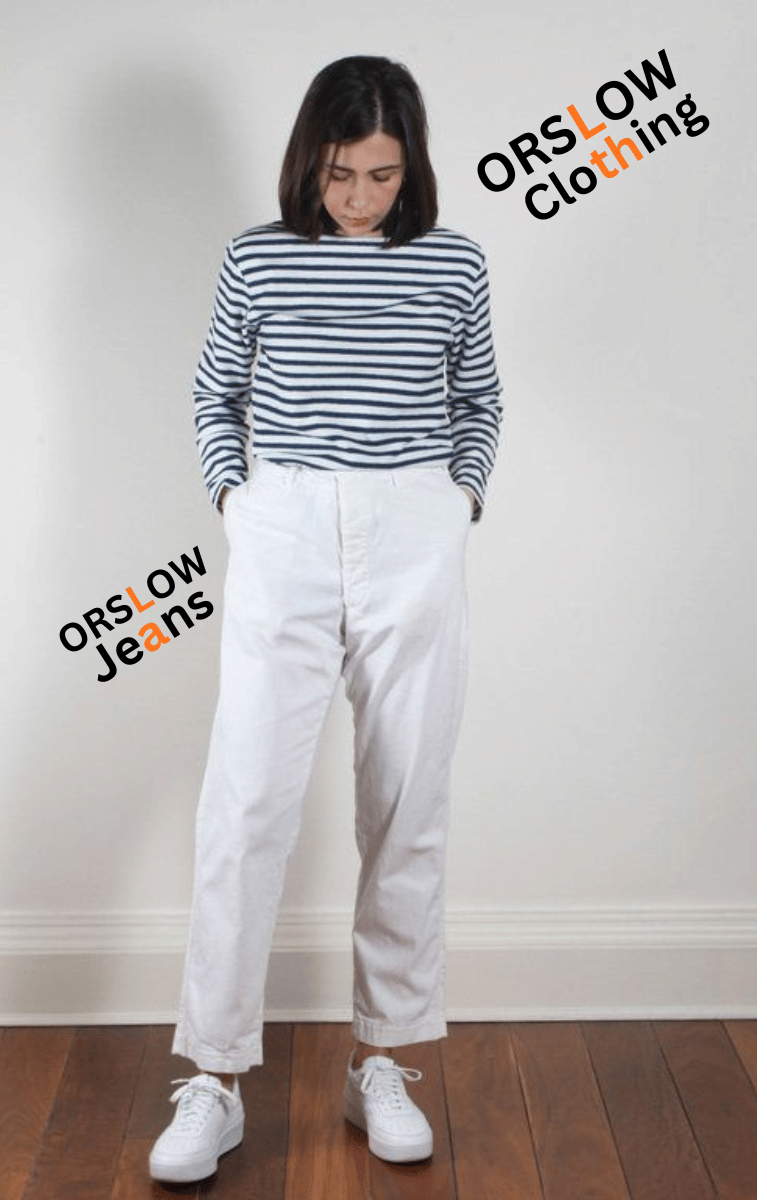
For many denim fans, a good pair of jeans is more than something worn with a T-shirt. The fabric, cut, stitching, fading, and small design choices all shape how a pair feels over time. orSlow has built a loyal following by making clothing that draws from older workwear and military garments while keeping it easy to wear today. For Japanese denim enthusiasts in the USA, orSlow offers jeans with a clear link to traditional clothing without making everyday dressing feel complicated.
A Strong Connection to Japanese Workwear
orSlow is closely tied to the Japanese approach of studying older garments and reworking their useful details for modern wardrobes. Its jeans often have a calm, practical look rather than a fashion-first appearance. That makes them appealing to people who like clothing with history, but still want pieces that fit into normal daily life. The brand’s wider range of shirts, jackets, trousers, and other pieces gives its denim a natural place within a full wardrobe.
Old Workwear Ideas in Modern Jeans
Many Japanese denim enthusiasts enjoy clothing that shows where its design came from. orSlow Shorts can reflect details seen in American workwear, military uniforms, and classic utility clothing. Pocket shapes, button choices, belt loops, stitching, and fabric weight can all add character without making the jeans look overly decorated. This connection also helps explain why orSlow Clothing works well for people who prefer practical garments with a clear visual story.
Denim That Feels Made for Daily Wear
A major reason people choose the brand is the balance between character and comfort. A pair of jeans needs to work during a normal day, whether that means commuting, walking around town, meeting friends, or spending time at home. The designs tend to avoid details that make an outfit hard to wear. This makes orSlow jeans a useful option for someone who wants Japanese denim that feels natural with sneakers, boots, overshirts, sweaters, and simple tees.
Comfort and Fit Matter
Fit has a direct effect on how often jeans get worn. Straight, relaxed, and fuller cuts can give different levels of room through the seat, thigh, knee, and hem. Fans of orSlow often pay close attention to these shapes because the right cut can make a pair feel comfortable while still keeping a classic outline. Shoppers in the USA can also compare measurements rather than relying only on the size printed on the tag.
Why the Details Matter to Denim Enthusiasts
People who collect or study denim often look beyond the surface. They may pay attention to the way fabric is woven, how seams are finished, how hardware looks, and how a garment changes with wear. orSlow Clothing attracts this audience because its pieces are built around references to older garments rather than short-lived visual trends. The details give wearers more to notice as they use the jeans over months and years.
Fabric and Construction
Denim weight can affect warmth, movement, and the way creases form. Stitching and hardware also shape the look of a pair from the first day. A denim fan may enjoy seeing how these elements age together instead of expecting the jeans to remain exactly the same. This is one reason the brand has appeal among people who see clothing as something that develops character through regular use.
Aging and Personal Character
Jeans change as they are worn. Areas that bend and move often develop stronger creases, while places that receive less movement may remain darker for longer. The result depends on the fabric, the wearer’s routine, washing habits, and climate. That personal aging process gives the denim a sense of individuality and makes repeated wear part of the experience.
How orSlow Jeans Fit Into a USA Wardrobe
American wardrobes already have a long relationship with denim, which makes Japanese-made jeans easy to understand but still different enough to attract attention. A pair of orSlow jeans can work with familiar American staples while bringing a more measured Japanese approach to fit and detail. The jeans can be worn with a work jacket for a rugged outfit or with a clean knit for a quieter look. This flexibility is one reason orSlow US shoppers often look at denim as a daily wardrobe piece rather than a special-occasion item.
Simple Outfit Pairings
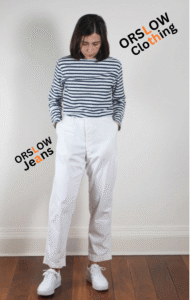
A white or gray T-shirt keeps the focus on the denim and works well in warmer months. In cooler weather, a flannel shirt, sweatshirt, chore coat, or field jacket can add layers without making the outfit feel busy. Footwear can change the mood too, with canvas sneakers giving a casual feel and leather boots adding a workwear edge. The brand also pairs naturally with its wider clothing range, so fans can build outfits around shared colors and fabrics.
Matching Denim With Workwear
People who already wear fatigue trousers may find it easy to move between jeans and other utility-inspired pants. orSlow Fatigue Pants offer a different shape and fabric story, while denim brings a more familiar everyday feel. Wearing both types of trousers gives a wardrobe more options without requiring a large number of different styles. For many fans, that simple approach is part of the appeal of orSlow Clothing.
The Appeal of a Smaller, More Thoughtful Wardrobe
Japanese denim enthusiasts often care about buying fewer garments and wearing them more often. A pair of jeans earns its place when it works across seasons and does not depend on a short trend cycle. The brand fits that mindset because the designs can sit comfortably beside older pieces already in a closet. Someone might wear the same jeans with a hoodie one day, a work shirt the next, and a wool coat later in the year.
Buying for Long-Term Use
Before buying, shoppers should think about their usual outfits, preferred rise, leg shape, and desired amount of room. They should also check the fabric details and measurements listed by the seller. A good fit makes it easier to keep wearing jeans, which matters more than choosing a pair only because it looks good in a product photo. This approach can make a purchase feel more practical and reduce the need to replace jeans often.
orSlow and the Broader Japanese Denim Culture
Japanese denim culture includes many different approaches, from reproduction workwear to carefully woven selvedge denim and modern interpretations of classic garments. orSlow sits within that wider conversation by drawing on historical clothing and presenting it through its own design language. That gives the jeans interest for collectors while keeping them approachable for people who are new to Japanese denim. orSlow US shoppers can find the same appeal in pieces that connect classic references with everyday American dressing.
Beyond Jeans
The brand’s wider selection helps explain why denim fans often look beyond one pair of jeans. Shirts, jackets, trousers, and other garments can create a wardrobe with related ideas and proportions. orSlow Fatigue Pants are especially useful for someone who likes military-inspired clothing but wants an alternative to denim. The mix gives wearers room to change texture and shape while keeping a consistent casual style.
What Makes orSlow Jeans Worth Considering
For a denim enthusiast, the attraction often comes from the complete experience: fabric, fit, construction, historical references, and the way the jeans change with wear. orSlow does not need loud branding to make its clothing recognizable to people who pay attention to details. The jeans can sit quietly in an outfit while their cut and material provide the character. That balance helps explain why orSlow remains a favorite among people who value Japanese denim and classic workwear.
Choosing the Right Pair
Start with the fit you normally enjoy, then compare the measurements with jeans you already own. Think about whether you want a clean straight leg, extra room, or a fuller shape. Check how the rise works with your usual shirts and jackets, and consider how the denim will fit after regular wear. For shoppers building a wardrobe around orSlow Clothing, choosing one versatile pair first can be a simple way to learn the brand’s approach.
FAQs
Are orSlow jeans good for everyday wear?
Yes. Their classic shapes and workwear references make them easy to pair with T-shirts, shirts, jackets, sweatshirts, and everyday footwear. The brand is especially suited to people who want jeans that can move between casual settings without needing a special styling plan.
What makes orSlow jeans different from other Japanese denim?
Their appeal comes from the mix of historical workwear references, careful proportions, fabric choices, and a relaxed approach to everyday clothing. Many fans like the fact that the designs feel connected to older garments without looking like costumes.
How should I choose an orSlow jeans fit?
Compare the brand’s measurements with a pair of jeans that already fits you well. Look at the waist, rise, thigh, knee, hem, and total length rather than choosing only by size number.
Can I wear orSlow Fatigue Pants with Japanese denim?
Yes. orSlow Fatigue Pants can add a military-inspired alternative to a denim-heavy wardrobe. They work well with simple tees, work shirts, sweatshirts, overshirts, and jackets, so you can change the texture and silhouette while keeping the outfit casual.
Is orSlow Clothing suitable for a simple wardrobe?
Yes. orSlow Clothing works well for a smaller wardrobe because many pieces use familiar colors, practical shapes, and classic references. The pieces can be combined with denim, fatigue trousers, boots, sneakers, and other everyday staples.
Final Thoughts
orSlow jeans appeal to Japanese denim enthusiasts because they bring together classic workwear ideas, wearable fits, thoughtful construction, and the pleasure of seeing denim age through use. They suit shoppers who care about how clothing feels and changes over time rather than chasing every new style. With the right fit, a pair can become a regular part of a USA wardrobe and work across many seasons. That balance of history, simplicity, and daily wear helps explain the lasting interest in orSlow.