Finding jeans that feel right can take more thought than picking a color. The rise, leg shape, denim weight, waist fit, and way a pair sits on your shoes all change how it looks during a normal day. orSlow jeans appeal to people who like Japanese workwear, vintage references, and relaxed everyday clothing without loud details. This guide explains the main fits and styling choices so shoppers in the USA can choose a pair that suits their body, wardrobe, and routine.
Understanding the Fit of Japanese Denim
Fit should be the first thing to check when shopping for orSlow denim. These jeans can have straight, relaxed, or wider shapes, and each one creates a different look. A straight leg gives a neat outline from the hip to the hem, while a wider cut leaves more room around the thigh and lower leg. The best choice depends on how you normally dress and how much space you want around your legs.
Straight Fits
Straight jeans are a good place to start if you want a familiar shape. The leg stays close to the same width from the upper leg toward the ankle, which makes the pair easy to wear with sneakers, boots, or simple leather shoes. A mid-rise or moderate rise can also work well with tucked shirts, overshirts, and casual jackets. orSlow Clothing can work well with a mid-rise or moderate rise when you want a balanced everyday outfit.
Relaxed and Wider Fits
Relaxed jeans give the legs more room and can feel comfortable during long days. Wider styles create a looser silhouette that works well with workwear shirts, sweatshirts, and roomy outer layers. If your wardrobe already includes orSlow Clothing pieces with relaxed shapes, a wider jean can help keep the whole outfit balanced.
Choosing Denim for Everyday Wear
orSlow denim should match your daily routine as much as your personal taste. Some people want jeans for office-casual outfits, while others need a pair for walking, travel, weekend errands, and casual dinners. orSlow denim often has a vintage-inspired feel, so it can sit naturally beside workwear, military-inspired trousers, simple tees, and field jackets.
Think About Weight and Feel
Heavier denim can feel firm when new and may need time before it becomes more comfortable. Lighter denim can feel easier during warmer months and may suit people who want less structure. Before buying, think about the weather where you live, how long you wear jeans each day, and whether you prefer a firm or softer feel.
Check the Rise
The rise affects both comfort and appearance. A higher rise can give more room around the waist and seat, while a lower rise creates a different proportion with shirts and jackets. When comparing the jeans, look at the waist, front rise, thigh, knee, hem, and inseam instead of judging the size number alone.
Matching Japanese Denim With American Casual Style
Japanese denim can work easily with clothing already found in many American wardrobes. A pair of straight jeans can be worn with a plain T-shirt and canvas sneakers for a simple weekend outfit. Add a chore coat or flannel shirt when the weather cools. orSlow US shoppers can also pair denim with boots, sweatshirts, knitwear, and military-inspired shirts without making the outfit feel too formal.
Simple Tops
A plain tee gives jeans a clean base. White, gray, navy, black, and muted earth tones work with many denim shades. When you want more texture, try an oxford shirt, flannel, or sweatshirt. The goal is to let the jeans work as part of the outfit instead of making every item compete for attention.
Jackets and Outer Layers
Work jackets and field-style coats pair naturally with Japanese denim. A shorter jacket can show more of the rise and leg shape, while a longer coat gives a more layered look. If you wear orSlow Clothing often, mixing denim with similar workwear-inspired layers can create outfits that feel connected without looking like a uniform.
How orSlow Jeans Compare With Fatigue Pants
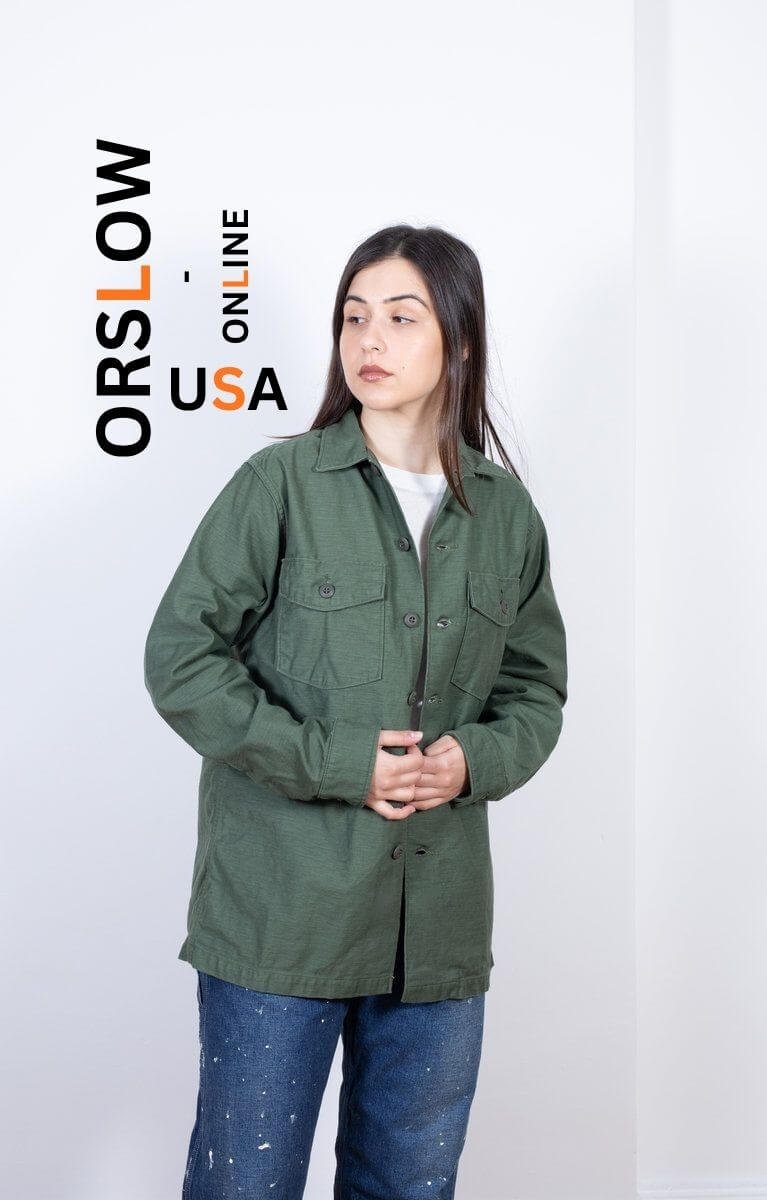
Denim and fatigue trousers can serve similar roles, but they create different outfits. Jeans bring a stronger denim texture and often feel more casual with age, while fatigue pants have a military trouser shape and usually offer a lighter, softer visual effect. People who like orSlow Fatigue Pants may also enjoy the brand’s denim because both categories draw from practical clothing and older workwear ideas.
When to Choose Jeans
Choose jeans when you want a sturdy trouser that works with tees, shirts, jackets, and boots. Dark denim can look neat for casual dinners, while faded denim works well for relaxed weekend clothing. A straight pair can also move between seasons with small changes in footwear and outerwear.
When to Choose Fatigue Pants
Fatigue pants can be a better choice when you want a looser military-inspired look. They work well with simple sneakers, canvas shoes, hoodies, and overshirts. If you already own fatigue trousers, denim can give your wardrobe another texture while keeping the same casual workwear direction.
Picking the Right Size
orSlow US sizing deserves close attention because the same waist number can fit differently across cuts. Start by measuring a pair of jeans that already fits you well. Compare its waist, rise, thigh, inseam, and hem with the measurements provided for the pair you want. orSlow US shoppers should also check whether the listed measurements use a flat measurement or a full circumference.
Think About How You Will Wear Them
Decide whether you want a clean fit or more room. If you plan to wear the jeans with thicker shirts, sweatshirts, or boots, extra space can help the outfit sit better. If you prefer a simple T-shirt and sneaker combination, a straighter and closer shape may feel more natural.
Allow for Denim Changes
Some denim can change with washing and regular wear. Follow the care directions for the specific pair instead of using the same routine for every jean. If you want the fabric to keep its original shape and color for longer, washing less often and treating the denim gently can help.
Building an Everyday Wardrobe Around Denim
A good pair of jeans becomes more useful when it works with clothing you already own. Start with a dependable denim shade, then add pieces that support the same casual mood. orSlow Clothing can sit beside American basics such as plain tees, sweatshirts, flannel shirts, chore coats, and simple sneakers.
A Simple Weekly Rotation
One pair of jeans can work for many situations when the rest of the outfit changes. Wear them with a tee and sneakers during the weekend, then switch to an oxford shirt and boots for a cleaner casual look. Add a sweatshirt or overshirt for cooler days. A pair of these jeans can also work with a denim jacket, but choosing different shades helps avoid a heavy one-color look.
Mixing Workwear and Modern Basics
Workwear does not need to mean wearing head-to-toe vintage clothing. Modern basics can soften the look of rugged pieces. Try relaxed denim with a clean sweatshirt, or pair straight jeans with a simple knit and leather shoes. The same approach works when mixing orSlow Fatigue Pants with contemporary tops and footwear.
Caring for Your Jeans
Care can affect how denim looks and feels over time. Read the care label before washing, and avoid harsh treatment unless the manufacturer specifically allows it. Air drying can help reduce unnecessary heat exposure, while folding or hanging the jeans neatly can keep them ready for the next wear. With regular care, the denim can remain a useful part of a casual wardrobe for a long time.
Finding Your Personal Denim Style
The right jeans are not always the pair with the most popular cut. Your best choice depends on your body shape, footwear, preferred tops, and how you spend your day. If you like roomier trousers, a wider cut may feel right. If you prefer a familiar outline, straight denim may be easier to style.
People who already wear orSlow US pieces can also look at how their current wardrobe fits before choosing denim. If your jackets and shirts are loose, a relaxed jean can keep the proportions even. If your tops are closer to the body, a straight or moderate fit may create a cleaner balance. Think about the clothes you actually wear instead of buying based only on a product photo.
FAQs
What fit should I choose for everyday Japanese denim?
A straight or relaxed fit is a practical starting point because both can work with sneakers, boots, shirts, and casual jackets.
Are orSlow jeans good for casual outfits?
Yes. The workwear-inspired look pairs well with T-shirts, sweatshirts, overshirts, sneakers, boots, and simple jackets.
How should I compare jean sizes?
Measure a pair you already own and compare the waist, rise, thigh, inseam, and hem with the measurements for the new pair.
Can I wear jeans with orSlow Fatigue Pants in the same wardrobe?
Yes. You can rotate both styles. Jeans add denim texture, while fatigue pants give outfits a softer military trouser feel.
What should I wear with Japanese denim?
Simple tops and practical layers work well. Try tees, flannels, oxford shirts, sweatshirts, chore coats, field jackets, sneakers, or boots.
Final Thoughts
Choosing denim becomes easier when you focus on fit, comfort, fabric, and the clothes you already wear. These jeans offer several ways to build casual outfits around Japanese workwear ideas, from straight denim to roomier shapes. The right pair should feel comfortable during normal activities and make sense with your shoes, tops, and jackets. If you like orSlow Clothing, comparing denim with orSlow Fatigue Pants can also help you create a flexible wardrobe with different textures and silhouettes.