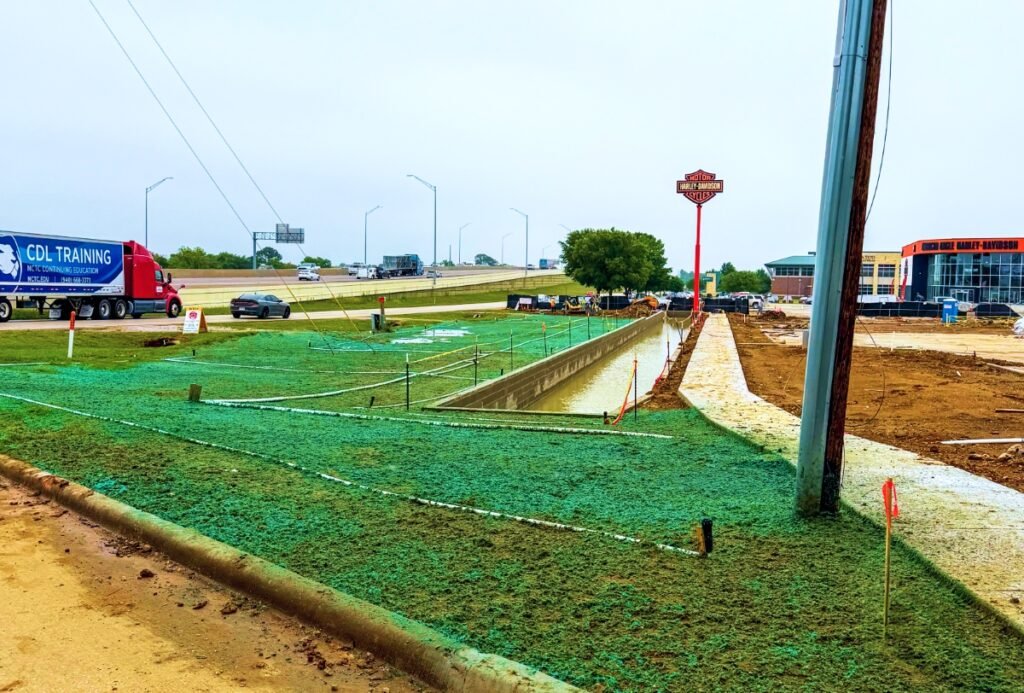
Commercial hydroseeding services
Establishing healthy vegetation across a large commercial property requires careful planning, suitable materials, and consistent execution. Bare soil can quickly become vulnerable to erosion, runoff, weeds, and uneven grass growth if it is not treated correctly. Commercial hydroseeding services provide an efficient way to establish vegetation across expansive properties by combining seed, water, mulch, fertilizer, and other materials into a sprayable mixture. When performed by experienced professionals, the process can support more uniform coverage while helping protect newly seeded soil. Understanding each stage can help property owners know what to expect from a professional hydroseeding project.
1. Initial Site Assessment and Project Planning
Every successful hydroseeding project begins with a detailed assessment of the property. Professionals evaluate the size of the area, existing vegetation, soil conditions, drainage, slopes, sunlight exposure, accessibility, and intended use of the landscape. Construction sites, commercial developments, roadways, parks, industrial properties, and large open grounds can have very different requirements. Understanding these conditions helps contractors determine the appropriate seed blend, mulch, fertilizer, application rate, and preparation strategy. A thorough assessment also helps identify potential problems before the hydroseeding equipment arrives.
Project planning also involves establishing realistic expectations for germination and establishment. Weather conditions, seasonal temperatures, soil moisture, and the selected grass species can all influence how quickly vegetation develops. Professionals may recommend soil testing when nutrient deficiencies or unsuitable pH levels could affect growth. They can then determine whether amendments are necessary before application. Taking time to plan properly helps reduce avoidable problems and ensures the hydroseeding mixture is matched to the site’s specific environmental conditions.
2. Clearing and Preparing the Soil
Soil preparation is one of the most important stages of professional hydroseeding. Contractors typically remove debris, unwanted vegetation, rocks, construction materials, and other obstacles that could interfere with seed-to-soil contact. If the surface is compacted, appropriate methods may be used to loosen the soil and create a better environment for root development. Proper grading can also help direct water away from vulnerable areas while reducing the risk of standing water. The goal is to create a stable, receptive seedbed before any hydroseeding mixture is applied.
Poor preparation can undermine even a high-quality seed mixture. Seeds need suitable contact with soil, adequate moisture, oxygen, and appropriate temperatures to germinate successfully. Large commercial properties may also contain areas with different soil characteristics, meaning preparation requirements can vary across the site. Professionals may use grading, tilling, topsoil placement, or amendments depending on the property’s condition. Investing in preparation at this stage can improve establishment and help prevent expensive corrections later.
3. Selecting the Right Seed and Materials
The next step involves choosing materials suited to the property and its growing environment. A professional contractor may select a single grass species or a custom blend based on factors such as sunlight, soil type, moisture availability, traffic levels, and regional climate. Commercial landscapes often require durable vegetation that can withstand regular use and varying environmental conditions. The contractor may also select a specific mulch type and fertilizer program to support early development. Every component should have a purpose rather than being chosen solely because it is inexpensive.
In North Texas, regional conditions can make seed selection especially important. Hot summers, changing rainfall patterns, soil characteristics, and periods of drought can place stress on developing turf. Some projects may also require erosion-control materials in addition to seed and fertilizer. Hydromulch North Texas applications can incorporate fiber mulch into the hydroseeding mixture to help retain moisture and protect seed on exposed soil. A knowledgeable contractor can determine which materials are appropriate instead of using the same formula for every property.
4. Preparing the Hydroseeding Mixture
Once the site and materials are ready, the contractor prepares the hydroseeding slurry in specialized equipment. The mixture commonly contains water, grass seed, fiber mulch, fertilizer, and potentially soil amendments or tackifying agents. Each ingredient needs to be measured appropriately so the final application provides suitable coverage across the project area. Mixing also needs to be managed carefully to prevent clumping and maintain consistent distribution. Professional equipment helps contractors handle large quantities while delivering the mixture efficiently.
The formulation can be adjusted depending on the site’s requirements. Sloped areas may need additional erosion-control support, while nutrient-poor soil may require amendments recommended by a soil assessment. Seed density can also vary depending on the intended use and establishment goals. Experienced contractors understand that applying excessive seed or fertilizer does not automatically produce better results. Appropriate rates, correct mixing, and suitable application techniques are more important for establishing healthy vegetation.
5. Applying the Hydroseeding Slurry
After the mixture is prepared, crews use hydroseeding equipment to spray it over the prepared soil. The equipment allows operators to cover broad areas efficiently and reach locations that may be challenging to seed using conventional methods. Skilled application helps distribute seed, mulch, and supporting materials more evenly across the surface. Operators must pay attention to coverage, boundaries, slopes, and areas that require different application rates. Proper technique can help reduce thin spots, excessive buildup, and wasted materials.
Application timing can also influence project results. Contractors generally consider current and upcoming weather conditions because heavy rain immediately after application can disturb freshly applied materials. Extremely hot, dry, or windy conditions may also increase moisture loss and complicate early establishment. Professional crews can schedule work around suitable conditions whenever possible. After spraying is complete, the property should be protected from unnecessary traffic and disturbance while the seed begins the germination process.
6. Early Irrigation and Germination
Hydroseeding does not eliminate the need for ongoing care. Water management is particularly important during the first stages because newly planted seed requires consistent moisture to germinate and develop roots. The contractor should provide watering guidance based on the selected seed, weather, soil type, and site conditions. Large commercial properties may require carefully designed irrigation schedules to ensure different sections receive adequate moisture. Too little water can dry out developing seed, while excessive irrigation can cause runoff and erosion.
During germination, property managers should monitor the landscape regularly. Emerging grass may initially appear thin or uneven, and development can vary according to shade, soil conditions, and moisture levels. This does not necessarily indicate a failed installation because different grass species germinate at different rates. However, areas showing unusual erosion, standing water, or severe dryness should be addressed promptly. Following professional maintenance recommendations gives the new vegetation a better opportunity to develop a strong root system.
7. Establishment, Mowing, and Long-Term Maintenance
Once the grass becomes established, maintenance gradually changes from intensive early watering to routine landscape care. Mowing should begin when the grass reaches an appropriate height for the selected species, and excessive cutting should be avoided during the early stages. Fertilization should be based on the turf’s condition and soil requirements rather than applying unnecessary amounts. Weed management may also become necessary as the landscape matures. Consistent care helps transform the newly seeded area into a durable commercial lawn.
Long-term maintenance is essential for protecting the investment made during installation. Commercial properties often experience foot traffic, vehicle activity, changing weather, and other stresses that can affect turf quality. Regular inspections can identify thinning areas, drainage issues, erosion, or irrigation problems before they become more serious. Seasonal adjustments may also be necessary as temperatures and rainfall patterns change. Working with experienced landscaping professionals can help property managers develop a maintenance strategy that supports healthy vegetation throughout the year.
Why Professional Hydroseeding Matters
Professional commercial hydroseeding services offer more than simply spraying seed across an open area. Successful results depend on evaluating the site, preparing the soil, selecting appropriate materials, applying the mixture correctly, and managing irrigation during establishment. Experienced contractors understand how these factors interact and can adapt the process to challenging commercial environments. Their knowledge can be particularly valuable when a project includes steep slopes, compacted construction soil, large open areas, or erosion concerns. Professional planning can help reduce mistakes that may otherwise lead to patchy growth or unnecessary rework.
For property owners and developers, choosing a contractor should involve more than comparing the lowest quote. Ask about relevant commercial experience, equipment, seed blends, preparation procedures, project references, insurance, and post-installation recommendations. A reputable contractor should explain what the project involves and provide realistic expectations regarding establishment time. They should also be transparent about factors that could affect results, including weather and irrigation. This approach reflects the experience and accountability that property owners should expect from a professional landscaping service.
Final Thoughts
The professional hydroseeding process follows a logical sequence that begins with site evaluation and ends with ongoing turf maintenance. Soil preparation, seed selection, slurry formulation, application, irrigation, and establishment all play important roles in the final outcome. When each stage is handled carefully, hydroseeding can provide an efficient approach for establishing vegetation across large commercial properties. Regional considerations are equally important, especially for projects dealing with North Texas weather and soil conditions. Understanding the complete process allows property owners to make better decisions and communicate more effectively with their landscaping contractor.
Ultimately, successful hydroseeding is a combination of proper materials, skilled application, suitable timing, and consistent aftercare. Whether the goal is to improve a commercial development, stabilize exposed soil, enhance a business property, or establish a large landscaped area, professional planning can make a meaningful difference. A qualified contractor can assess the property and recommend an approach based on its actual conditions rather than using a one-size-fits-all solution. With proper preparation and maintenance, a newly hydroseeded landscape can develop into healthy, functional vegetation that improves the property’s appearance and long-term usability.