Getting quality sleep is essential for physical health, mental clarity, and overall well-being. However, many people struggle to get comfortable at night because their bed does not provide the right combination of support and pressure relief.
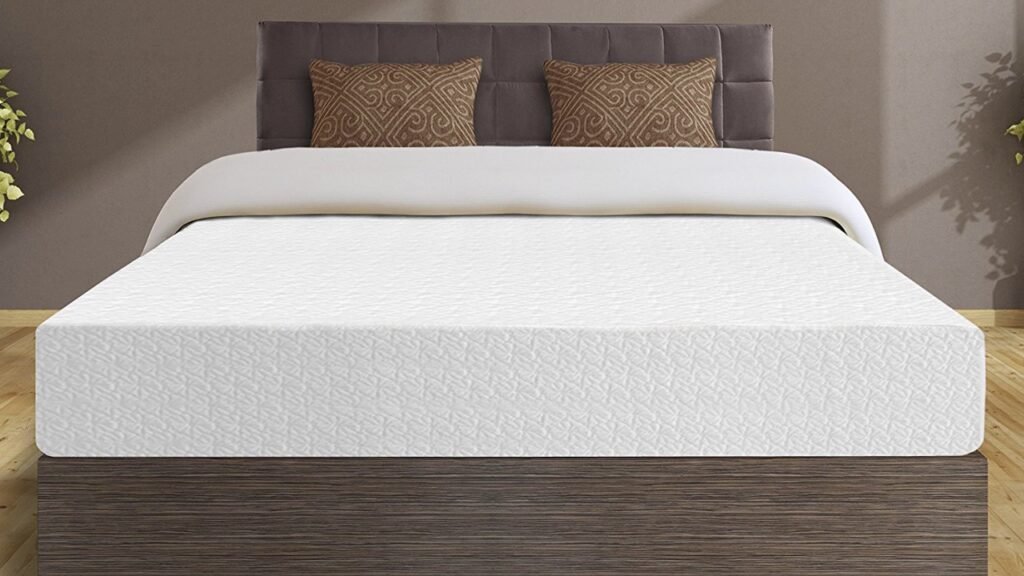
The surface you sleep on can significantly influence how easily you fall asleep, how often you wake up, and how refreshed you feel in the morning. A memory foam mattress can offer a supportive and comfortable sleeping environment designed to address several common causes of restless sleep.
Personalized Support for Your Body
One of the main advantages of memory foam is its ability to respond to body weight and temperature. Instead of providing the same level of support across the entire surface, the material gradually conforms to the body’s natural curves. This can help support areas such as the shoulders, hips, and lower back while maintaining a more balanced sleeping position.
When your body receives appropriate support, you may experience less discomfort caused by pressure points. A memory foam mattress can therefore be particularly appealing to people who find that traditional mattresses feel too firm or fail to provide enough cushioning.
Proper support can also encourage better spinal alignment. When the spine remains in a more neutral position during sleep, your muscles may have less work to do throughout the night. This can contribute to a more relaxed and comfortable sleeping experience.
Reducing Pressure Points
Pressure buildup is a common reason people constantly change sleeping positions. Areas such as the shoulders, hips, knees, and heels can experience significant pressure when lying in one position for an extended period.
Memory foam distributes body weight across the sleeping surface rather than concentrating it in a few specific areas. This pressure-relieving quality can make the bed feel more comfortable and help reduce the need for frequent repositioning.
For people who prefer a softer sleeping surface without sacrificing support, memory foam can provide an attractive balance. Its ability to contour around the body creates a cradling sensation that many sleepers find relaxing.
Better Motion Isolation
If you share your bed with a partner, movement during the night can easily interrupt your sleep. Traditional spring mattresses may transfer movement from one side of the bed to the other, meaning that turning over or getting out of bed can disturb the other sleeper.
A memory foam mattress is generally designed to absorb movement within the material. When one person changes position, the motion may be less noticeable on the opposite side. This can be especially useful for couples with different sleeping schedules or different sleeping habits.
Better motion isolation can help create a more stable sleep environment. Instead of being repeatedly awakened by your partner’s movements, you may be able to remain asleep for longer periods.
Supporting Different Sleeping Positions
People have different sleeping preferences. Some sleep primarily on their backs, while others prefer their sides or stomachs. The right mattress should accommodate these positions while providing adequate support.
Side sleepers often benefit from cushioning around the shoulders and hips because these areas carry substantial pressure. Back sleepers generally need balanced support that helps keep the spine properly positioned. Stomach sleepers may prefer a surface that prevents excessive sinking around the midsection.
A well-designed memory foam mattress can adapt to these different pressure patterns. However, firmness remains important, and individual comfort preferences should always be considered when choosing a mattress.
Improving Nighttime Comfort
Temperature and comfort can have a major effect on sleep quality. If your bed feels uncomfortable, you may spend more time adjusting your position instead of relaxing.
Modern memory foam products are available in different constructions, including designs with ventilation channels, cooling covers, and specialized foam layers intended to improve airflow. These features can help address the heat retention traditionally associated with some memory foam materials.
Choosing appropriate bedding can also improve the overall sleeping environment. Lightweight sheets, breathable blankets, and a suitable pillow can work together with the mattress to create a more comfortable bed.
Using a Mattress Topper for Extra Comfort
Not everyone needs to replace an entire mattress to improve their sleeping surface. In some situations, a mattress topper can provide additional cushioning or modify the firmness of an existing bed.
A topper can be useful when your current mattress is still structurally sound but feels slightly too firm or lacks the desired comfort. Different toppers are available in materials such as memory foam, latex, and other cushioning materials.
A mattress topper can also be a practical option for people who want to experiment with a different sleeping feel before investing in a new mattress. However, a topper cannot completely correct problems such as severe sagging or structural damage underneath.
Choosing the Right Firmness
Although memory foam offers excellent contouring, choosing the correct firmness is important. A mattress that is too soft may allow the body to sink excessively, while one that is too firm may create uncomfortable pressure points.
Body weight, sleeping position, personal preference, and existing bed structure can all influence the ideal firmness level. Side sleepers may prefer more cushioning, while stomach or back sleepers may require stronger support.
When shopping, consider mattresses that offer trial periods whenever possible. Spending several nights on a mattress can provide a better indication of its comfort than simply testing it for a few minutes in a showroom.
A More Stable Sleep Environment
Good sleep depends on more than just mattress construction. Room temperature, lighting, noise, stress levels, bedtime routines, and screen use can all influence sleep quality.
Nevertheless, a comfortable sleeping surface can remove one important source of nighttime discomfort. If your mattress supports your body effectively and minimizes motion disturbance, it may become easier to maintain a consistent sleeping routine.
A memory foam mattress can contribute to this stable environment by combining pressure relief, body contouring, and motion absorption in one sleeping surface.
Extending Comfort With the Right Accessories
Pillows and bedding should complement the mattress rather than work against it. For example, side sleepers may need a pillow with enough height to keep the head aligned with the spine. Back sleepers often benefit from a medium-height pillow that provides balanced support.
A mattress topper may also help fine-tune the feel of the bed. If you prefer additional softness, a suitable topper can add another cushioning layer without immediately replacing the underlying mattress.
It is also important to use a supportive bed frame. Even a high-quality mattress may not perform as intended if the foundation does not provide adequate support.
Final Thoughts
Sleep quality can be influenced by many factors, but comfort and support remain essential components of a healthy sleeping environment. By conforming to the body’s contours, distributing pressure, reducing motion transfer, and supporting different sleeping positions, memory foam can help create a more comfortable nighttime experience.
Before purchasing, consider your preferred sleeping position, firmness requirements, body support needs, and temperature preferences. If your existing bed is still in good condition but needs additional cushioning, a mattress topper may offer a practical alternative.
Ultimately, the best sleeping surface is one that allows you to remain comfortable, supported, and undisturbed throughout the night. With the right combination of mattress construction and sleep accessories, you can create a bedroom environment that encourages deeper, more consistent, and restorative sleep.