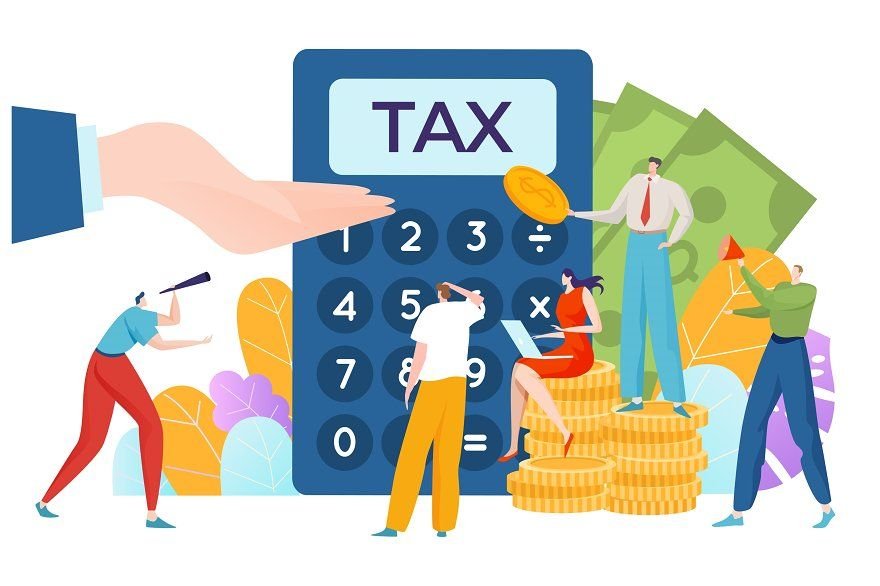
Navigating your Tax Return Switzerland obligations often feels complex due to the country’s three-tiered taxation structure consisting of federal, cantonal, and municipal taxes. While the Swiss financial system is straightforward and transparent, thousands of taxpayers—both residents and expatriates—leave substantial amounts of money on the table each year simply by overlooking standard tax write-offs. Taking full advantage of legal statutory deductions remains the single best way to reduce your taxable income while staying completely compliant with the law.
Partnering with an experienced specialist for tax consulting or taking a structured approach to your annual planning can yield noticeable financial relief. Here is a breakdown of ten valuable deductions to keep on your radar when preparing your next Tax Return Switzerland.

1. Pillar 3a Private Pension Contributions
Paying into a Pillar 3a account is one of the most efficient ways to lower your taxable income in Switzerland. If you are employed and already enrolled in a workplace pension fund (Pillar 2), any contributions you make to a 3a account up to the annual limit can be deducted franc-for-franc from your income. If you are self-employed without a company pension, you can deduct up to 20% of your net operational income up to the national cap. Transferring funds into your Pillar 3a before December 31 directly cuts your tax bill across federal, cantonal, and municipal levels.
2. Pillar 2 (Pension Fund) Buy-Ins
If you have gaps in your occupational pension fund—which commonly happens after moving to Switzerland from abroad, switching jobs, or taking extended time off work—you have the option to make voluntary buy-ins. These extra contributions are generally 100% tax-deductible in the calendar year you make them. Because every canton handles these contributions with slight variations, and because strict lock-in periods apply to subsequent capital withdrawals, it pays to arrange a brief tax consulting session before making large voluntary payments.
3. Work-Related and Commuting Expenses
Out-of-pocket costs required to perform your daily job are generally deductible. You should keep track of three primary sub-categories:
- Commuting Expenses: You can claim public transportation passes (train, bus, tram) or bicycle allowances. Car travel can also be claimed, provided you can prove that public transit is unviable or takes significantly longer given your work schedule.
- Meal Expenses: Flat-rate allowances apply if your job prevents you from eating lunch at home on regular working days.
- Home Office and Equipment: Purchases of specialized software, professional literature, trade clothing, or home workspace setups (when required by your employer) can be declared as professional expenses.
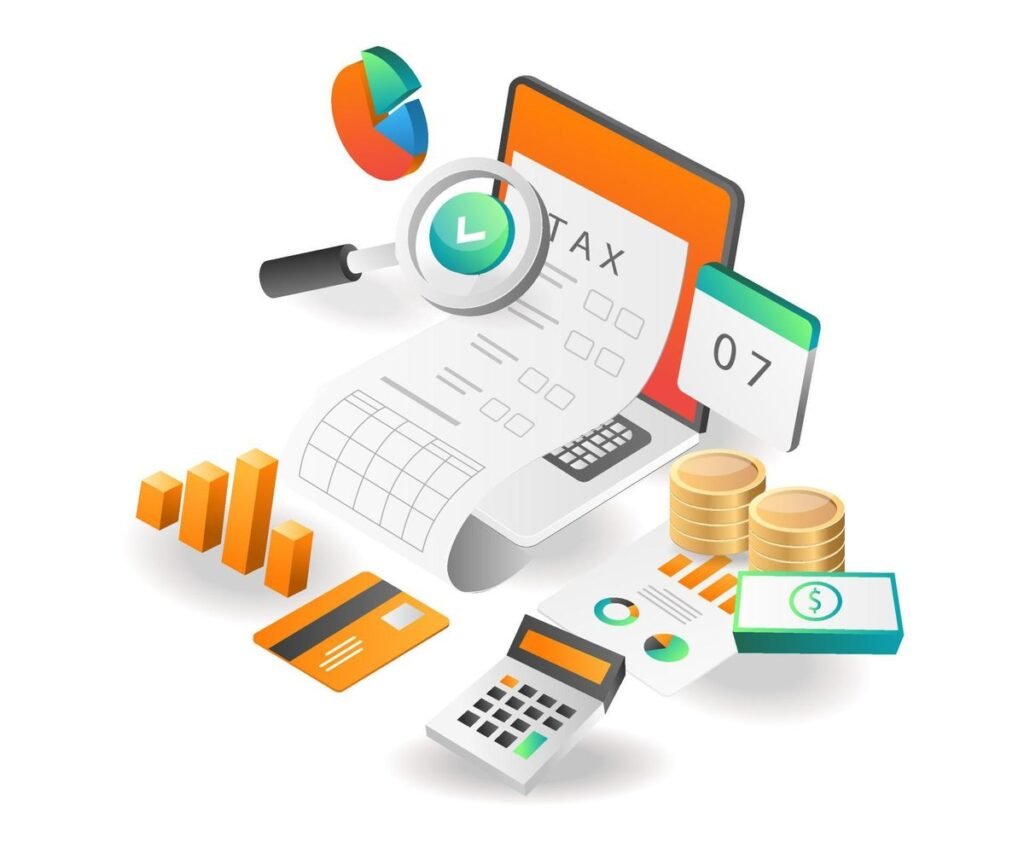
4. Continuing Education and Career Development
Investing in your professional skill set benefits both your career growth and your tax return. Qualified costs for job-related training, professional certifications, language courses required for your position, or advanced degree programs (like an EMBA) are deductible up to CHF 12,000 per year at the federal level. Be sure to save all tuition invoices, certificates, and payment receipts to attach as proof during filing.
5. Medical Costs and Insurance Deductibles
While basic health insurance premiums (KGV/LAMal) are covered under standard flat-rate allowances that vary by canton, direct medical expenses can open up extra tax relief. Out-of-pocket payments for dental procedures, prescription medications, glasses, contact lenses, and medically necessary treatments not covered by insurance are deductible once total costs exceed a specific share of your net income (usually 5%).
6. Mortgage Interest and Home Maintenance
Property owners in Switzerland are subject to income tax on their property’s imputed rental value (Eigenmietwert). To balance this out, you can deduct all mortgage interest payments. Furthermore, home owners can choose each tax year between taking a flat-rate maintenance allowance or itemizing actual maintenance costs, structural repairs, and energy-efficient upgrades such as heat pump installations or solar panels.
7. Charitable Giving
Donations made to recognized Swiss charities, non-profit foundations, and public institutions lower your tax bill. As long as your total annual donations exceed CHF 100, they are deductible up to 20% of your net income at the federal level. Make sure to keep official receipt statements sent by the charitable organizations at year-end.
8. Alimony and Child Maintenance
If you pay court-ordered alimony to a former spouse or child support for minor children, those payments are fully deductible from your gross income. (Note that the person receiving the payments must declare them as income). Financial support provided to adult children undergoing their first university degree or professional apprenticeship may also qualify for family tax credits depending on cantonal legislation.
9. Third-Party Childcare Costs
Working parents who pay for external childcare can claim substantial allowances. Expenses incurred for certified daycare centers (KITA), structured after-school programs (Hort), or registered nannies qualify for deductions per child under age 14, provided the care is necessary due to your work, education, or medical incapacity.
10. Investment Management and Bank Charges
Holding and managing assets comes with administrative fees that you can write off. Standard bank fees for holding account assets, safe deposit box rentals, and portfolio custody charges levied by banks are deductible against your wealth tax assessment. However, keep in mind that trading fees, broker commissions, and performance incentives paid to advisors cannot be claimed.
Getting the Most Out of Your Filing
Because Switzerland’s 26 cantons each enforce their own specific tax codes, deduction limits, and administrative guidelines, filling out forms on your own can easily lead to missed deductions. Scheduling a session for professional tax consulting ensures your Tax Return Switzerland remains completely compliant while helping you keep as much of your hard-earned income as possible.