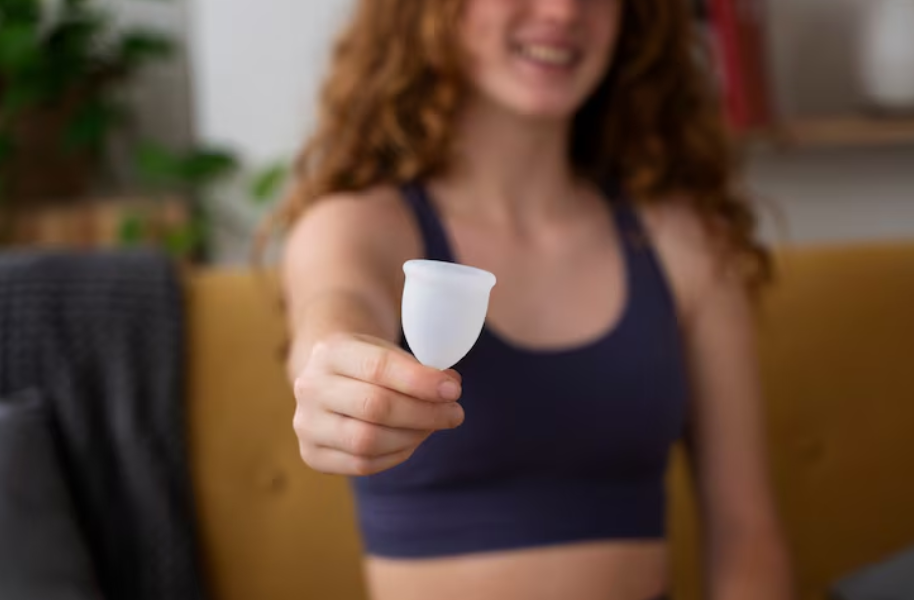
Urinary incontinence is a common concern that affects many women at different stages of life. Whether caused by aging, pregnancy, childbirth, hormonal changes, physical activity, or certain medical conditions, bladder leakage can impact confidence, daily routines, and overall quality of life. Fortunately, modern solutions provide women with effective ways to manage symptoms and maintain an active lifestyle. Finding the best female urinary incontinence device depends on individual needs, lifestyle, comfort preferences, and the type of bladder control issue being experienced.
Understanding the available options is the first step toward making an informed decision. Today’s urinary incontinence devices are designed to offer support, improve bladder control, and reduce the stress associated with accidental leakage. With the right product, many women can participate in exercise, work, travel, and social activities without constant worry.
Understanding Female Urinary Incontinence
Female urinary incontinence refers to the involuntary loss of urine. It can occur for several reasons, including weakened pelvic floor muscles, changes after childbirth, menopause, urinary tract issues, or pressure placed on the bladder during activities such as coughing, sneezing, laughing, or exercising.
There are different types of urinary incontinence. Stress incontinence happens when pressure on the bladder causes leakage, while urge incontinence occurs when there is a sudden and difficult-to-control need to urinate. Some women experience a combination of both types. Understanding the cause of leakage helps determine which type of device or solution may provide the best support.
Why Use a Female Urinary Incontinence Device?
A urinary incontinence device can provide practical support without requiring major lifestyle changes. Many women prefer these devices because they offer discreet protection and allow them to stay active. Unlike relying only on absorbent products, supportive devices may help address the underlying issue by improving bladder support and control.
The right device can help reduce embarrassment, increase confidence, and provide peace of mind throughout the day. Women who enjoy fitness, outdoor activities, traveling, or busy professional schedules often find these solutions especially helpful.
Types of Female Urinary Incontinence Devices
There are several types of devices available, and choosing the best option depends on personal comfort and medical needs.
Pelvic Support Devices
Pelvic support devices are designed to provide gentle pressure and support to the bladder and urethra. These products can help reduce leakage, especially for women experiencing stress incontinence. They are often used during activities that increase abdominal pressure, such as running, lifting, or exercising.
These devices are typically designed for comfortable wear and can help women maintain normal activities without frequent interruptions.
Pessary Devices
A pessary is a small medical device placed inside the vagina to support pelvic organs and help manage bladder leakage. It is commonly recommended for women with pelvic organ support concerns or stress urinary incontinence.
Pessaries come in different shapes and sizes, so proper fitting is important. A healthcare professional can help determine the appropriate option for maximum comfort and effectiveness.
External Urine Collection Devices
External collection devices provide an alternative approach by helping manage urine leakage outside the body. These solutions are designed to collect urine and help maintain dryness, making them useful for certain situations where traditional methods may not provide enough protection.
Bladder Control Inserts
Bladder control inserts are small disposable or reusable products designed to provide support inside the vaginal area. They may help prevent leakage during physical activities and daily movement. Many women appreciate these options because they are lightweight and designed for discreet use.
Choosing the Best Female Urinary Incontinence Device
Selecting the best female urinary incontinence device requires considering several important factors. Every woman’s experience with incontinence is different, so a device that works well for one person may not be the ideal choice for another.
Comfort should be one of the top priorities. A device should fit properly and should not cause irritation or discomfort during normal activities. Ease of use is another important consideration. Products that are simple to insert, remove, clean, or replace are often preferred for long-term use.
Lifestyle also plays an important role. A woman who exercises regularly may need a different solution than someone who mainly wants protection during everyday activities. Understanding when leakage occurs can help narrow down the most suitable options.
The Importance of Proper Fit
A proper fit is essential for effectiveness and comfort. A device that is too large may cause discomfort, while one that is too small may not provide enough support. Consulting with a healthcare professional can help ensure the selected product meets individual needs.
Regular follow-up may also be beneficial, especially when using internal support devices. Changes in the body over time can affect comfort and performance, so adjustments may sometimes be necessary.
Lifestyle Tips to Support Bladder Health
While devices can provide valuable support, healthy habits can also help improve bladder control. Pelvic floor exercises, often known as Kegel exercises, can strengthen the muscles responsible for bladder support. Maintaining a healthy weight, staying hydrated, and avoiding bladder irritants may also contribute to better urinary health.
Keeping a bladder diary can help identify patterns and triggers. Recording fluid intake, bathroom habits, and leakage episodes can provide useful information when discussing options with a healthcare provider.
Building Confidence Through Better Solutions
Urinary incontinence does not have to limit personal freedom or daily activities. With advancements in women’s health products, there are now more options available than ever before. Finding the right solution can help women feel more comfortable, confident, and in control.
The journey to finding the best option may involve trying different approaches and learning what works best for individual circumstances. Every woman deserves a solution that supports her lifestyle and allows her to focus on the activities and experiences that matter most.
Conclusion
Choosing the best female urinary incontinence device is a personal decision based on comfort, lifestyle, symptoms, and individual preferences. From pelvic support products to specialized medical devices, various options can help women manage bladder leakage effectively. With the right support, women can regain confidence, stay active, and enjoy everyday life with fewer concerns about urinary incontinence. Understanding available solutions and seeking professional guidance when needed can make the process easier and lead to better results.