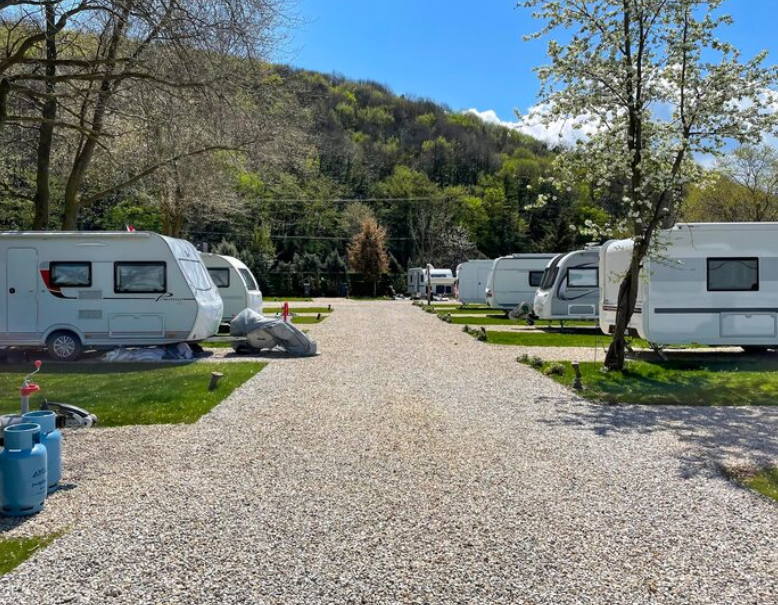
Owning a recreational vehicle opens the door to adventure, freedom, and unforgettable road trips. After returning home from a vacation, one of the first questions many RV owners ask is, Can You Park an RV in your Driveway? The answer depends on several factors, including your property’s layout, neighborhood rules, and local regulations. Understanding these considerations helps you make the best decision while protecting your investment and maintaining good relationships with neighbors.
Many homeowners prefer keeping their RV at home because it offers convenience, saves money on storage fees, and makes preparing for the next trip much easier. However, before deciding to leave your RV in the driveway, it is important to evaluate space, safety, accessibility, and maintenance requirements.
If you have ever wondered, Can You Park an RV in your Driveway?, this guide will help you understand the benefits, potential challenges, and practical tips for storing your RV at home.
One of the biggest advantages of parking an RV in your driveway is convenience. Having your vehicle just outside your home means you can load supplies, clean the interior, and perform maintenance whenever needed. Instead of traveling to a storage facility every time you want to prepare for a trip, everything is within easy reach.
Keeping an RV at home can also reduce ongoing expenses. Monthly storage fees can add up over time, especially for larger motorhomes or travel trailers. If your driveway provides enough space, parking your RV at home can become a cost-effective solution that saves money year after year.
Before deciding where to park your RV, measure your driveway carefully. Consider the overall length, width, and height of your RV. Make sure there is enough room for safe movement around the vehicle without blocking sidewalks, garages, or entrances. Proper measurements help avoid unexpected problems and ensure your RV fits comfortably within your property.
Another important consideration is driveway strength. Larger RVs can weigh several tons, especially when fully loaded. Concrete driveways generally provide better support than older asphalt or gravel surfaces. If your driveway shows signs of cracking or sinking, it may require reinforcement before supporting a heavy recreational vehicle.
Visibility is another factor worth considering. Some homeowners prefer placing the RV toward the side of the driveway to reduce its impact on the property’s appearance. Strategic positioning can also improve visibility when entering or leaving the driveway, making daily driving safer.
Neighborhood appearance often plays a role in RV parking decisions. While some communities welcome recreational vehicles, others encourage homeowners to keep them out of public view. Maintaining a clean, well-kept RV with a protective cover can help preserve the overall appearance of your property while keeping the vehicle in excellent condition.
Weather protection is another advantage of thoughtful RV storage. Sunlight, rain, snow, and strong winds can gradually affect paint, seals, tires, and roof materials. If possible, install a covered parking structure or use a high-quality RV cover designed to protect against harsh weather conditions.
Security becomes much easier when your RV is parked at home. You can regularly check on the vehicle and notice potential issues before they become major problems. Installing outdoor lighting, security cameras, or motion detectors adds another layer of protection and helps discourage theft or vandalism.
Routine maintenance is also more convenient with home parking. You can inspect tire pressure, check batteries, monitor fluid levels, and clean the interior without making special trips to a storage location. Regular inspections help extend the life of your RV and reduce the risk of costly repairs.
If your driveway has a gentle slope, use wheel chocks to prevent unwanted movement. Stabilizing the RV keeps it secure while parked and makes it safer when loading or unloading supplies.
Many RV owners appreciate the flexibility of having their vehicle nearby. You can organize camping equipment, restock kitchen essentials, and prepare clothing well before departure. This relaxed preparation process reduces stress and allows for more enjoyable travel experiences.
When considering the question, Can You Park an RV in your Driveway?, think about accessibility. Ensure there is enough room to safely enter and exit the driveway without damaging fences, landscaping, or nearby vehicles. Wide turning areas make maneuvering much easier, particularly for larger motorhomes.
Landscaping can also influence driveway parking. Trees with low branches may scratch the roof or sides of the RV. Trimming branches and maintaining clear pathways helps protect the exterior while making parking easier.
Lighting around your driveway improves visibility during nighttime parking. Bright exterior lights help guide the RV safely into position while reducing the risk of accidental damage to surrounding structures.
Some homeowners choose to install dedicated RV electrical outlets near the driveway. Having access to electricity allows batteries to remain charged and makes it easier to operate certain onboard systems during maintenance or preparation. Professional installation ensures the electrical setup meets safety standards.
Water access is another useful feature. A nearby outdoor faucet allows you to wash the RV, refill freshwater tanks, or perform cleaning tasks before and after trips. Regular cleaning helps preserve the vehicle’s appearance and extends the lifespan of exterior finishes.
Proper tire care is essential for RVs that remain parked for extended periods. Maintaining recommended tire pressure and occasionally moving the vehicle slightly helps reduce flat spots. Tire covers also provide valuable protection from direct sunlight.
Ventilation should not be overlooked. Keeping small roof vents slightly open with proper vent covers allows airflow while reducing moisture buildup inside the RV. Good ventilation helps prevent mold, mildew, and unpleasant odors.
Interior maintenance remains important even when the RV is parked at home. Remove perishable food, clean appliances, empty waste tanks, and keep the interior dry. These simple habits create a more pleasant environment when your next adventure begins.
Battery maintenance is equally valuable. Depending on your RV’s electrical system, maintaining battery charge can improve performance and increase battery lifespan. Follow manufacturer recommendations for charging schedules and storage practices.
If you use your RV frequently, parking it at home can simplify spontaneous weekend trips. Since everything is already nearby, you can pack quickly and leave without visiting an off-site storage facility.
Families often find driveway storage especially convenient because children can help organize camping supplies, bicycles, fishing gear, and outdoor equipment ahead of time. This preparation becomes part of the excitement leading up to each vacation.
Good communication with neighbors can also contribute to a positive experience. Parking thoughtfully, keeping the RV clean, and avoiding unnecessary obstruction demonstrates consideration for the surrounding community.
Seasonal preparation is another important aspect of RV ownership. Before winter or extended storage periods, inspect seals, clean the roof, protect plumbing systems if necessary, and ensure all maintenance tasks are completed. Preventive care helps avoid expensive repairs later.
Ultimately, the answer to Can You Park an RV in your Driveway? depends on your available space, property conditions, neighborhood requirements, and commitment to proper maintenance. For many homeowners, driveway parking offers unmatched convenience, cost savings, and easier access to their recreational vehicle.
Whether you own a compact travel trailer or a large motorhome, careful planning helps ensure safe and practical storage. By maintaining your driveway, protecting your RV from weather, performing regular inspections, and respecting your neighborhood, you can enjoy the many advantages of keeping your RV close to home.
For countless RV enthusiasts, home driveway parking provides peace of mind and makes every future journey easier to plan. With thoughtful preparation and responsible ownership, your recreational vehicle will remain ready for the next road trip whenever adventure calls.