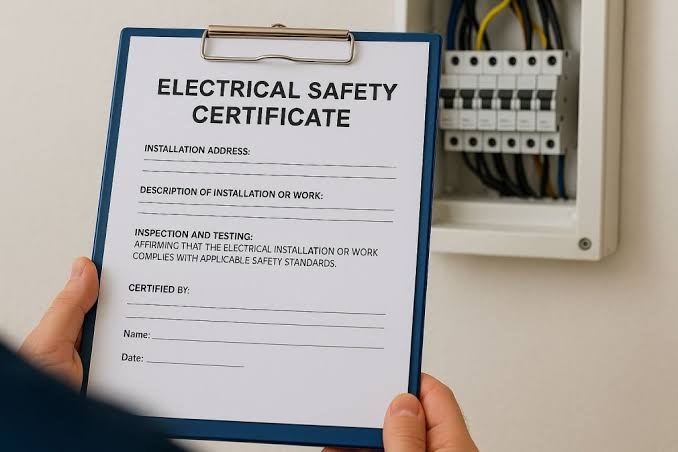
domestic electrical installation certificate
Electrical work in residential properties must meet strict safety standards to protect people, homes, and valuable equipment. Whether you are building a new house, carrying out a complete rewire, or installing a new consumer unit, proper certification is essential. It demonstrates that the work has been completed safely and complies with the latest UK electrical regulations.
A domestic electrical installation certificate is the official document issued after major electrical installations have been inspected and tested. It confirms that the installation complies with BS 7671 Wiring Regulations and, where applicable, Building Regulations Part P. Understanding the requirements, costs, and certification process helps homeowners make informed decisions and avoid costly mistakes.
What Is a Domestic Electrical Installation Certificate?
A domestic electrical installation certificate is a formal document issued after new electrical installations or significant alterations in a residential property.
It confirms that the electrical system has been:
- Properly designed
- Professionally installed
- Thoroughly inspected
- Fully tested
- Verified as compliant with current UK regulations
The certificate acts as permanent evidence that the installation met safety standards at the time of completion.
Why Is a Domestic Electrical Installation Certificate Important?
Many homeowners focus on completing electrical work quickly. However, obtaining the correct certification is equally important.
A domestic electrical installation certificate provides several advantages.
It confirms compliance with BS 7671 Wiring Regulations.
It demonstrates professional workmanship.
It supports future maintenance work.
It helps satisfy insurance requirements.
It improves confidence during property sales.
It provides detailed testing records for future electricians.
Without proper certification, proving electrical compliance can become difficult years later.
Requirements for a Domestic Electrical Installation Certificate
A domestic electrical installation certificate is required whenever substantial electrical work is completed within a home.
Typical projects include:
| Electrical Work | Certificate Required |
| New house wiring | Yes |
| Complete property rewire | Yes |
| Consumer unit replacement | Yes |
| New electrical circuits | Yes |
| Home extension wiring | Yes |
| Garage installation | Yes |
| Major electrical alterations | Yes |
| Minor socket replacement | No |
| Light fitting replacement | Usually No |
Every installation must be inspected and tested before certification can be issued.
Who Can Issue a Domestic Electrical Installation Certificate?
Only competent electricians who complete the installation and carry out all required inspections and testing should issue a domestic electrical installation certificate.
Qualified electricians understand the requirements of BS 7671 and follow recognised inspection procedures before signing the document.
Choosing experienced professionals ensures the certificate will be accepted during future inspections, insurance assessments, and property transactions.
The Domestic Electrical Installation Certificate Process
Obtaining a domestic electrical installation certificate involves several important stages.
Initial Design
Every installation begins with proper planning.
The electrician considers:
- Electrical load
- Circuit layout
- Cable sizing
- Protective devices
- Earthing arrangements
Good design reduces future electrical problems.
Electrical Installation
The electrician installs all required electrical components according to the approved design.
This may include:
- Consumer units
- Distribution boards
- Socket circuits
- Lighting circuits
- Smoke alarms
- Earthing systems
Proper installation ensures reliable operation and long term safety.
Visual Inspection
After installation, the electrician performs a complete visual inspection.
This stage checks:
- Correct cable routing
- Suitable protective devices
- Safe equipment installation
- Proper circuit identification
- Compliance with current regulations
Visual inspections identify obvious issues before testing begins.
Electrical Testing
Testing confirms that the installation operates safely.
Common tests include:
| Electrical Test | Purpose |
| Continuity testing | Confirms circuit continuity |
| Insulation resistance | Detects insulation faults |
| Earth fault loop impedance | Verifies fault protection |
| Polarity testing | Confirms correct wiring |
| RCD testing | Tests safety devices |
| Functional testing | Ensures equipment works correctly |
Every result must meet acceptable limits before certification is issued.
Certificate Issue
Once inspection and testing have been completed successfully, the electrician prepares the domestic electrical installation certificate.
The completed certificate records all inspection findings, technical measurements, and declarations confirming compliance.
What Information Does the Certificate Include?
A domestic electrical installation certificate contains detailed information about the completed installation.
| Certificate Section | Information Included |
| Property details | Installation address |
| Client information | Homeowner details |
| Installation description | Scope of work |
| Circuit schedule | Circuit information |
| Inspection checklist | Visual inspection results |
| Test results | Electrical measurements |
| Compliance declaration | BS 7671 confirmation |
| Signatures | Installer and inspector |
These records remain valuable throughout the life of the installation.
How Much Does a Domestic Electrical Installation Certificate Cost?
The cost of a domestic electrical installation certificate depends on the size and complexity of the electrical project.
Typical costs include:
| Electrical Work | Typical UK Cost Range |
| Consumer unit replacement | £450 to £900 |
| New electrical circuit | £200 to £500 |
| Garage installation | £600 to £1,500 |
| Home extension wiring | £1,000 to £3,000 |
| Complete house rewire | £3,500 to £10,000+ |
In most cases, the certificate forms part of the overall installation cost rather than being charged separately.
Homeowners should always request written quotations before work begins.
Factors That Affect the Cost
Several factors influence the overall cost of electrical installation work.
Property size.
Number of electrical circuits.
Accessibility of existing wiring.
Consumer unit specification.
Additional testing requirements.
Building type.
Labour costs.
Project complexity.
Larger properties naturally require more installation time and testing.
Domestic Electrical Installation Certificate vs Minor Electrical Installation Works Certificate
These certificates serve different purposes.
| Feature | Domestic Electrical Installation Certificate | Minor Electrical Installation Works Certificate |
| New installations | Yes | No |
| New circuits | Yes | No |
| Full rewiring | Yes | No |
| Minor additions | No | Yes |
| Full inspection | Yes | Limited |
| Full testing | Yes | Limited |
Using the correct certificate depends on the type of work completed.
Domestic Electrical Installation Certificate vs Electrical Installation Condition Report
Many homeowners also confuse these documents.
| Domestic Electrical Installation Certificate | Electrical Installation Condition Report |
| Issued after new work | Inspects existing installations |
| Confirms compliance | Assesses current condition |
| Required after major installations | Recommended periodically |
| Supports Building Regulations | Identifies defects |
Each document serves a different purpose within electrical safety management.
Common Mistakes to Avoid
Homeowners often make avoidable mistakes when arranging electrical work.
These include:
- Hiring unqualified electricians.
- Forgetting to request certification.
- Losing important documents.
- Choosing contractors based only on price.
- Delaying repairs after faults are discovered.
Careful planning reduces long term costs and improves electrical safety.
How Long Should You Keep the Certificate?
A domestic electrical installation certificate should remain with the property for the lifetime of the installation.
Store both printed and digital copies securely.
Future electricians often need previous inspection records.
Solicitors may request certificates during property sales.
Insurance providers may also ask for evidence of compliant electrical installations.
Keeping organised records prevents unnecessary delays.
Building Regulations and Domestic Electrical Installation Certificates
Many domestic electrical projects fall within Part P of the Building Regulations.
The domestic electrical installation certificate helps demonstrate that the installation complies with BS 7671 Wiring Regulations.
Where applicable, registered electricians also notify local authorities of notifiable work.
Following the correct process protects homeowners from future legal and compliance issues.
Tips for Choosing the Right Electrical Contractor
Selecting the right electrician is one of the most important decisions in the certification process.
Look for contractors with residential installation experience.
Confirm they carry out full inspection and testing.
Request written quotations.
Ask whether certification is included.
Check customer reviews and previous projects.
Professional electricians explain the entire certification process before work starts.
How Almens Consult Can Help You
Almens Consult provides professional electrical engineering and compliance services for homeowners, landlords, and property developers throughout the UK. Whether you require a domestic electrical installation certificate for a new build, complete rewire, consumer unit replacement, home extension, or additional electrical circuits, their experienced engineers deliver installations that comply with BS 7671 Wiring Regulations and Building Regulations. From initial electrical design through installation, inspection, testing, and certification, Almens Consult ensures every project meets the highest standards of safety, quality, and compliance. Their expert team also provides practical advice on maintaining electrical records and preparing properties for inspections, insurance requirements, and future sales.
Conclusion
A domestic electrical installation certificate is an essential document for every major residential electrical project. It confirms that the installation has been designed, installed, inspected, and tested according to current UK regulations. It also provides valuable protection for homeowners by supporting legal compliance, improving property value, simplifying future maintenance, and reassuring buyers and insurers. By choosing a qualified electrician and keeping your certificate secure, you ensure your home’s electrical installation remains safe, compliant, and reliable for many years.