Blank walls and empty screens are missed opportunities. For venue owners, retailers, and property managers, the rise of programmatic advertising and indoor LED screen technology is turning physical spaces into powerful revenue streams—without disrupting the customer experience.
Programmatic in-store advertising combines the data-driven precision of digital marketing with the reach of physical spaces. Instead of selling ad space manually, venue owners can connect their indoor LED networks to programmatic platforms that automatically buy and sell ad slots in real time. The result? Higher revenue, smarter ad delivery, and a more dynamic environment for visitors.
This guide breaks down how programmatic in-store advertising works, what to look for in a provider, and how other venues are already benefiting from this approach.
Why Indoor LED Networks Are a Game-Changer for Venue Monetisation
Traditional advertising in physical spaces—think static posters or printed banners—has always been limited. Fixed creative, slow turnaround times, and no way to measure impact. Indoor LED networks change all of that.
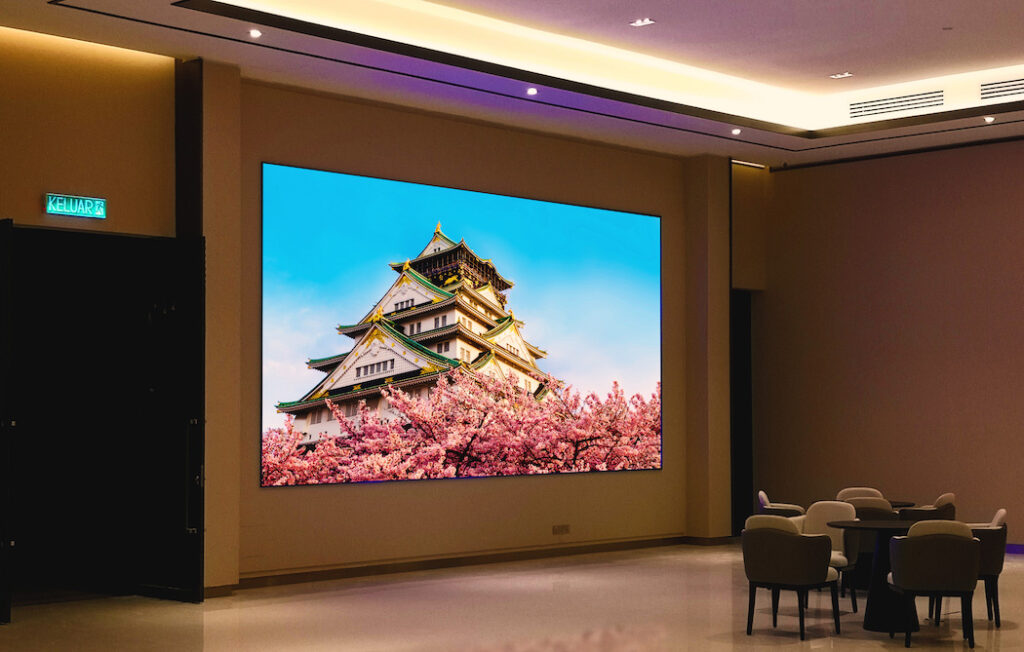
LED screens offer high-brightness visuals that capture attention even in well-lit environments. They can display multiple creatives in rotation, update content remotely in seconds, and integrate with data feeds to deliver contextually relevant ads. A gym might show a protein supplement brand during peak morning hours. A shopping centre might serve a coffee ad right before lunchtime. This kind of targeting simply isn’t possible with static signage.
For venues, the financial case is straightforward. Once the infrastructure is in place, the screens generate passive income by selling ad inventory to brands that want to reach your specific audience. The more footfall your venue has, the more attractive your network becomes to advertisers.
How Programmatic Advertising Works in a Retail Environment
Programmatic advertising automates the buying and selling of ad space through real-time bidding (RTB). In a retail or venue context, here’s how the process typically works:
- Inventory listing: The venue connects its LED screen network to a supply-side platform (SSP), making its ad slots available to buyers.
- Audience data: The SSP enriches the inventory with data about the venue’s audience—footfall, demographics, time of day, location.
- Real-time auction: When an ad slot becomes available, advertisers bid for it via demand-side platforms (DSPs). The winning bid’s creative is displayed within milliseconds.
- Campaign reporting: Both the venue and advertiser receive performance data, including impressions, audience reach, and engagement metrics.
This process runs continuously, meaning your screens are always showing the highest-value ad available at any given moment. For venues, that translates to optimised revenue across every hour of operation.
Key Features to Look for in an Indoor LED Network Provider
Choosing the right technology partner is critical. Not all indoor LED networks are built with programmatic capabilities in mind. When evaluating providers, prioritise the following:
- Programmatic compatibility: Ensure the system integrates with major SSPs and DSPs so your inventory is accessible to a wide pool of advertisers.
- Content management system (CMS): A robust CMS lets you manage your own content alongside paid advertising, giving you control over what appears on your screens at all times.
- Audience measurement tools: Look for providers that offer footfall analytics or integration with third-party measurement tools to help you prove your screens’ value to advertisers.
- Remote screen management: The ability to update and monitor screens from a central dashboard reduces operational overhead significantly.
- Revenue transparency: Opt for providers that offer clear reporting on ad revenue, fill rates, and CPMs (cost per thousand impressions) so you always know what your network is earning.
Successful Implementations of Programmatic In-Store Ads
The technology is already delivering results across a range of venue types.
Shopping centres have been among the earliest adopters. Large retail precincts with high daily footfall are particularly attractive to FMCG brands, fashion retailers, and financial services advertisers. By deploying indoor LED networks across food courts, entranceways, and lift lobbies, shopping centres have unlocked significant incremental revenue on top of traditional leasing income.
Gyms and fitness centres are a compelling use case due to their highly defined audience. Brands in health, nutrition, apparel, and wellness are willing to pay a premium to reach gym-goers. Smaller independent gyms have used programmatic in-store advertising to generate revenue that helps offset operational costs.
Airport terminals and transit hubs represent some of the most valuable digital out-of-home (DOOH) inventory in the world. The combination of dwell time, diverse demographics, and high-spend audiences makes these venues ideal for programmatic campaigns.
Across all these environments, the common thread is clear: venues with a well-defined audience and consistent footfall are best positioned to monetise indoor LED networks effectively.
Challenges and Solutions in Adopting Indoor LED Networks
As with any technology investment, there are hurdles to address before the revenue flows.
Upfront infrastructure costs can be a barrier. High-quality LED screens, cabling, media players, and network infrastructure require capital investment. Many venues address this through revenue-share agreements with network operators, where the operator funds the installation in exchange for a percentage of ad revenue.
Content governance is another consideration. Venue owners need to ensure that programmatic ads align with their brand standards and visitor expectations. Most CMS platforms allow venues to block specific categories—such as competitor brands or inappropriate content—giving them meaningful control over what appears on their screens.
Connectivity requirements are often underestimated. Programmatic systems depend on reliable internet connections to function. Venues should audit their infrastructure before deployment and invest in redundant connections where necessary.
Advertiser awareness can slow initial revenue. If your venue is new to programmatic DOOH, advertisers may not yet have your inventory on their radar. Working with an experienced network partner who has existing relationships with media buyers can dramatically accelerate your ramp-up period.
What’s Next for Programmatic In-Store Advertising?
The sector is evolving quickly, and several trends are set to reshape how venues monetise their indoor networks.
AI-driven creative optimisation is already beginning to influence in-store advertising. Rather than serving a static creative, AI systems can dynamically assemble ad content based on real-time signals—weather, time of day, local events—to maximise relevance and performance.
Integration with retail media networks is another growing area. As major retailers build out their own first-party data ecosystems, in-store screens are becoming a key activation channel. Brands can now use purchase data to target shoppers while they’re still in-store—a capability that simply didn’t exist a few years ago.
Measurement standardisation is improving. Industry bodies are working towards unified metrics for DOOH, making it easier for venues to demonstrate ROI to advertisers and for brands to compare in-store screens against other media channels.
Sustainability is also becoming a purchasing criterion. Venues that can demonstrate energy-efficient LED technology and responsible supply chains are likely to attract advertisers with strong ESG commitments.
Maximising Revenue with Smart Advertising Solutions
Programmatic in-store advertising is no longer a niche or experimental channel. For venue owners with the right footfall and infrastructure, it represents a scalable, largely passive revenue stream that grows as the DOOH advertising market expands.
The key to success lies in choosing a technology partner who understands both the technical and commercial dimensions of the opportunity—one who can help you attract advertiser demand, maintain content standards, and continually optimise your network’s performance.
The screens are there. The audiences are already walking past them. The question is whether you’re making those moments count.