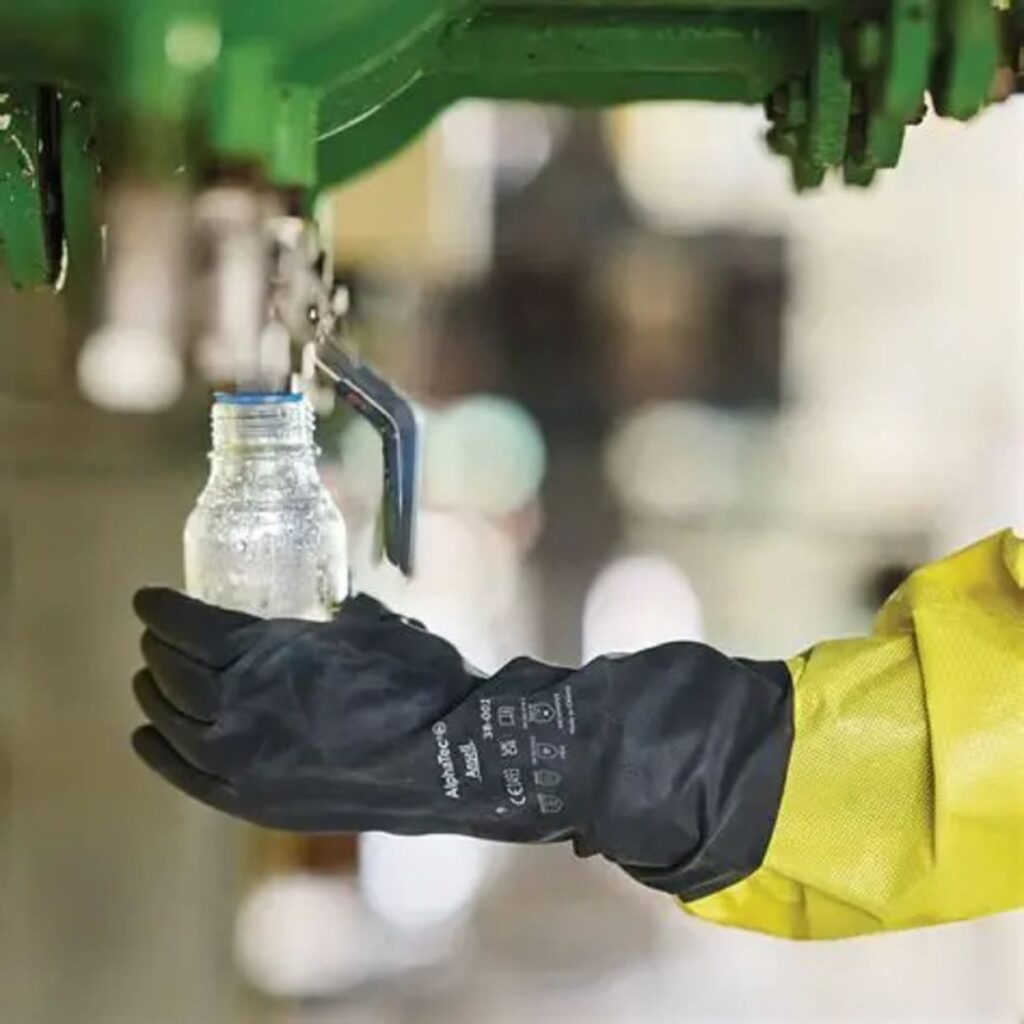
Chemical protection gloves are an essential part of personal protective equipment (PPE) in industries where workers are exposed to hazardous substances. Whether handling corrosive acids, industrial solvents, oils, or cleaning chemicals, choosing the right glove material is critical for ensuring safety and maintaining productivity. Not all gloves offer the same level of protection, as different polymers are designed to resist specific chemicals and working conditions.
Mitrasaruta: pabrik sarung tangan explores the best polymer materials used in chemical protection gloves, their unique properties, and the industries where they perform best.
Why Polymer Selection Matters
The effectiveness of a chemical-resistant glove depends primarily on the polymer used during manufacturing. Every polymer has a unique molecular structure that determines its resistance to chemicals, abrasion, punctures, heat, and oils. Using the wrong glove material may result in chemical permeation, degradation, or breakthrough, increasing the risk of skin injuries and workplace accidents. Therefore, understanding polymer types helps employers and workers select gloves that provide the highest level of protection for specific applications.1. Nitrile Butadiene Rubber (NBR)
Nitrile Butadiene Rubber, commonly known as NBR, is one of the most popular polymers for chemical protection gloves. It offers an excellent balance of durability, flexibility, and chemical resistance.Key Benefits
-
- Excellent resistance to oils and greases
-
- Good protection against fuels and petroleum products
-
- High puncture resistance
-
- Latex-free, reducing allergy risks
-
- Comfortable for prolonged use
Best Applications
NBR gloves are widely used in:-
- Automotive maintenance
-
- Chemical manufacturing
-
- Oil and gas industries
-
- Laboratory work
-
- Industrial cleaning
-
- Food processing
2. Neoprene
Neoprene is a synthetic rubber known for its versatile chemical resistance. It performs well against acids, bases, alcohols, and many cleaning agents.Key Benefits
-
- Excellent flexibility
-
- Good resistance to weather and ozone
-
- Performs well in both hot and cold environments
-
- Comfortable for extended wear
Best Applications
Neoprene gloves are commonly found in:-
- Pharmaceutical manufacturing
-
- Chemical laboratories
-
- Industrial sanitation
-
- Water treatment facilities
-
- Agricultural chemical handling
3. Natural Rubber Latex
Natural rubber latex remains a popular glove material due to its exceptional elasticity and tactile sensitivity.Key Benefits
-
- Outstanding flexibility
-
- Excellent grip
-
- Superior comfort
-
- High tear resistance
Limitations
Although latex performs well against water-based chemicals, it is less effective against petroleum oils and organic solvents. Additionally, some users may develop latex allergies, making alternative polymers preferable in many workplaces.Best Applications
Latex gloves are commonly used for:-
- Medical examinations
-
- Healthcare
-
- Food preparation
-
- Laboratory procedures involving mild chemicals
4. Polyvinyl Chloride (PVC)
PVC gloves offer reliable protection against many acids, bases, salts, and water-based chemicals while remaining highly affordable.Key Benefits
-
- Cost-effective
-
- Good abrasion resistance
-
- Waterproof
-
- Easy to clean
Best Applications
PVC gloves are widely used in:-
- Janitorial services
-
- Agriculture
-
- Fisheries
-
- Construction
-
- Chemical mixing
-
- Waste management
5. Butyl Rubber
Butyl rubber is specially designed for handling highly hazardous chemicals, especially gases and ketones.Key Benefits
-
- Excellent gas impermeability
-
- Superior resistance to ketones
-
- Outstanding resistance to esters
-
- Highly flexible
Best Applications
Industries relying on butyl gloves include:-
- Military chemical handling
-
- Hazardous materials response
-
- Chemical manufacturing
-
- Aerospace laboratories
6. Viton®
Viton is a premium fluoropolymer offering exceptional resistance to aggressive chemicals.Key Benefits
-
- Outstanding resistance to chlorinated solvents
-
- Excellent protection against aromatic hydrocarbons
-
- High temperature resistance
-
- Exceptional chemical durability
Best Applications
Viton gloves are commonly selected for:-
- Petrochemical industries
-
- Chemical processing plants
-
- Aerospace manufacturing
-
- High-risk laboratory environments
7. Polyvinyl Alcohol (PVA)
PVA gloves are unique because they offer excellent resistance to organic solvents.Key Benefits
-
- Outstanding solvent resistance
-
- Excellent barrier performance
-
- High chemical stability
Limitation
PVA gloves should never be used in wet environments because water rapidly degrades the material.Best Applications
Suitable industries include:-
- Electronics manufacturing
-
- Paint production
-
- Solvent handling
-
- Specialty chemical laboratories
Comparing Common Polymer Materials
| Polymer | Oil Resistance | Acid Resistance | Solvent Resistance | Flexibility | Typical Industries |
|---|---|---|---|---|---|
| NBR | Excellent | Good | Good | Excellent | Automotive, Manufacturing |
| Neoprene | Good | Excellent | Moderate | Excellent | Laboratories, Chemical Plants |
| Latex | Poor | Moderate | Poor | Outstanding | Medical, Food Industry |
| PVC | Moderate | Good | Moderate | Moderate | Agriculture, Cleaning |
| Butyl | Moderate | Excellent | Excellent | Good | HazMat, Chemical Manufacturing |
| Viton | Excellent | Excellent | Outstanding | Moderate | Petrochemical Industry |
| PVA | Poor (Water) | Moderate | Outstanding | Moderate | Solvent Handling |
Factors to Consider When Choosing Chemical Protection Gloves
Selecting the right polymer involves more than simply choosing the strongest material. Consider the following factors:Chemical Compatibility
Always verify whether the glove material is compatible with the chemical being handled. Manufacturers typically provide chemical resistance charts indicating breakthrough times and degradation ratings.Glove Thickness
Thicker gloves generally provide longer chemical protection but may reduce dexterity. Finding the right balance is important for productivity and safety.Dexterity Requirements
Workers performing detailed tasks may require thinner gloves with excellent tactile sensitivity, while heavy industrial operations may prioritize durability.Exposure Duration
Short-term exposure may allow the use of lighter gloves, whereas prolonged chemical handling often requires premium polymers with higher breakthrough resistance.Environmental Conditions
Temperature, humidity, and mechanical hazards such as abrasion or puncture risks should also influence glove selection.Industries That Benefit from Chemical Protection Gloves
Chemical-resistant polymer gloves are essential across numerous sectors, including:-
- Chemical manufacturing
-
- Oil and gas
-
- Automotive production
-
- Pharmaceutical companies
-
- Healthcare
-
- Agriculture
-
- Mining
-
- Electronics manufacturing
-
- Food processing
-
- Industrial maintenance
-
- Laboratories
-
- Waste management
Maintenance and Replacement
Even the highest-quality polymer gloves require regular inspection and proper maintenance. Best practices include:-
- Inspect gloves before every use.
-
- Replace gloves showing cracks, swelling, or discoloration.
-
- Store gloves away from direct sunlight and excessive heat.
-
- Wash reusable gloves according to manufacturer recommendations.
-
- Never reuse disposable chemical gloves.