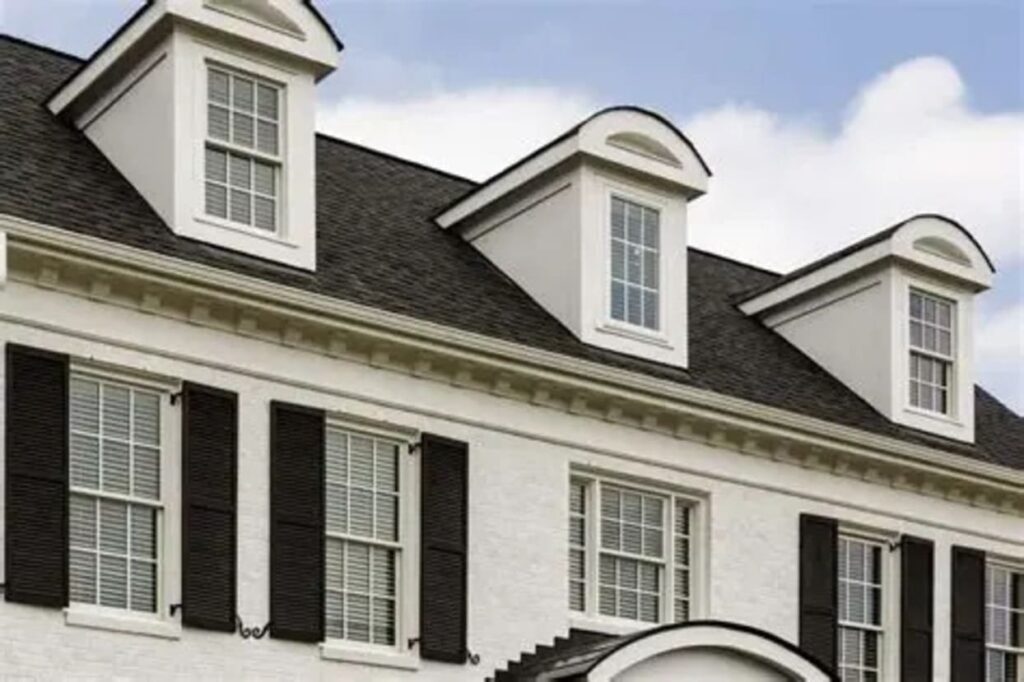
Dormer windows are one of the most recognizable architectural features found in residential construction. Beyond their attractive appearance, dormers provide additional headroom, increase natural light, improve ventilation, and create usable space beneath sloped roofs. Whether incorporated into a new home design or added during a renovation, choosing the right dormer type can significantly impact both functionality and curb appeal.
For homeowners planning a remodeling project and builders seeking practical roofing solutions, understanding dormer window typologies is essential. This guide explores the most common dormer styles, their advantages, ideal applications, and important design considerations. https://www.gstarboard.com
What Is a Dormer Window?
A dormer window is a vertical window structure that projects outward from a sloping roof. It typically includes its own roof, side walls, and window assembly, extending beyond the main roofline.
Dormers serve several practical purposes, including:
- Increasing usable attic or loft space
- Bringing daylight into upper-floor rooms
- Enhancing cross ventilation
- Improving exterior architectural character
- ncreasing property value
The right dormer design balances structural performance, weather resistance, and visual harmony with the overall home.
Why Dormer Selection Matters
Not every dormer suits every roof style. Factors such as roof pitch, climate, building codes, available attic space, and architectural style all influence which dormer typology works best.
Proper selection offers benefits such as:
- Better interior comfort
- Improved energy efficiency
- Increased ceiling height
- Enhanced roof drainage
- Long-lasting structural performance
Choosing the wrong dormer may lead to water intrusion, difficult construction, or an unbalanced appearance.
Common Dormer Window Typologies
1. Gable Dormer
The gable dormer is among the most popular and traditional styles. It features two sloping roof planes that meet at a central ridge, forming a triangular front.
Advantages
- Timeless architectural appearance
- Excellent water shedding
- Works well with steep roof pitches
- Adds generous interior headroom
Best For
- Colonial homes
- Craftsman houses
- Cape Cod architecture
* - Traditional residential buildings
Because of its versatility, the gable dormer remains one of the first choices for many builders.
2. Shed Dormer
A shed dormer has a single roof plane that slopes gently downward from the main roof.
Unlike gable dormers, shed dormers maximize interior space because the ceiling remains higher across a larger area.
Advantages
- Creates spacious loft rooms
- Adds substantial usable floor area
- Allows installation of larger windows
- Simplifies interior layouts
Best For
- Attic conversions
- Home additions
- Modern farmhouse designs
- Large roof renovations
This style is especially popular when converting unfinished attics into bedrooms or home offices.
3. Hip Dormer
Hip dormers feature three sloping roof surfaces instead of two. Every side slopes downward toward the walls.
Advantages
- Elegant appearance
- Excellent wind resistance
- Better roof drainage
- Softer architectural profile
Best For
- Traditional homes
- Mediterranean-inspired architecture
- Luxury residences
Although slightly more expensive to build, hip dormers provide outstanding durability in regions experiencing heavy rainfall or strong winds.
4. Eyebrow Dormer
Eyebrow dormers feature a gently curved roof without vertical side walls. Their smooth, flowing design creates a subtle visual effect.
Advantages
* Unique architectural character
* Soft roof profile
* Excellent natural lighting
* Attractive on historic homes
Best For
* Cottage homes
* Historic restorations
* Custom residential projects
Because of the complex framing required, eyebrow dormers demand experienced craftsmanship.
5. Wall Dormer
Unlike traditional dormers, wall dormers extend directly upward from the building’s exterior wall before continuing into the roof.
Advantages
* Larger window openings
* Maximum ceiling height
* Increased interior space
* Strong visual presence
Best For
* Large residential homes
* Multi-story buildings
* Contemporary designs
Wall dormers often appear in homes where maximizing upper-floor living space is a priority.
6. Flat Roof Dormer
Flat roof dormers feature nearly horizontal roofs with minimal slope.
Although modern in appearance, proper waterproofing is critical due to slower water drainage.
Advantages
* Contemporary style
* Clean architectural lines
* Efficient construction
* Large window openings
Best For
* Modern architecture
* Urban housing
* Contemporary renovations
Proper flashing and drainage systems are essential to ensure long-term performance.
Materials Used for Dormer Construction
Dormer performance depends heavily on material selection. Common components include:
Roofing Materials
* Asphalt shingles
* Standing seam metal roofing
* Clay tiles
* Concrete tiles
* Slate roofing
The dormer roof should generally match the main roof for visual consistency and weather protection.
Exterior Cladding
Builders often select materials that complement the home’s exterior, including:
* Fiber cement siding
* Vinyl siding
* Brick veneer
* Natural wood
* Engineered wood panels
Choosing durable cladding helps reduce maintenance over time.
Structural Considerations
Adding a dormer involves much more than cutting an opening into the roof.
Builders must evaluate:
* Roof framing modifications
* Load distribution
* Header sizing
* Waterproof flashing
* Roof insulation
* Ventilation pathways
* Snow and wind loads
Proper engineering ensures the dormer integrates safely with the existing roof structure.
Energy Efficiency Considerations
Modern dormers should contribute to overall energy performance rather than create thermal weaknesses.
Recommended features include:
* Double or triple-glazed windows
* Low-E glass coatings
* Continuous insulation
* Air sealing around framing
* Proper vapor barriers
* Insulated roofing assemblies
These improvements reduce heating and cooling costs while increasing indoor comfort.
Design Tips for Homeowners
Before choosing a dormer style, homeowners should consider several important questions.
Match Existing Architecture
A dormer should appear as though it has always been part of the house. Matching roof pitch, trim details, and window proportions creates visual harmony.
Avoid Oversized Dormers
Larger is not always better. Oversized dormers may overwhelm the roofline and negatively affect the home’s proportions.
Balance Function and Appearance
Some dormers primarily enhance curb appeal, while others provide valuable interior living space. Determine which objective is most important before selecting a design.
Consider Maintenance
Complex rooflines require additional maintenance. Simpler dormer designs often reduce long-term repair costs.
Common Installation Mistakes
Even attractive dormers can develop problems if installed improperly.
Common issues include:
* Poor flashing installation
* Inadequate roof ventilation
* Improper structural framing
* Incorrect window sealing
* Insufficient insulation
* Weak waterproof membranes
* Mismatched roofing materials
Working with experienced roofing professionals helps prevent costly future repairs.
Choosing the Right Dormer for Your Project
Selecting the ideal dormer depends on several factors, including:
* Budget
* Roof design
* Climate conditions
* Interior space requirements
* Architectural style
* Local building regulations
* Long-term maintenance expectations
Builders should evaluate these factors early in the design process to avoid unnecessary structural modifications later.
Conclusion
Dormer windows offer far more than architectural charm. They improve natural lighting, increase usable living space, enhance ventilation, and contribute significant visual interest to residential buildings. From the timeless appeal of the gable dormer to the spacious practicality of shed dormers and the refined elegance of hip or eyebrow designs, each typology serves a unique purpose.
For homeowners, selecting the appropriate dormer means achieving the right balance between beauty, comfort, and functionality. For builders, understanding dormer window typologies ensures structurally sound installations that perform reliably for decades. With thoughtful planning, quality materials, and professional construction, dormer windows become a valuable investment that enhances both the home’s appearance and its everyday livability.