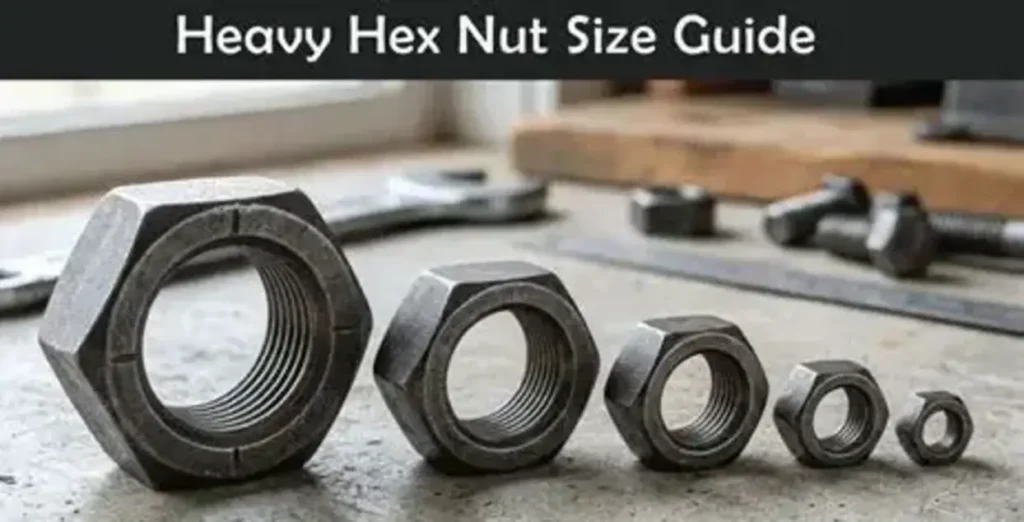
Hex nuts/ mur are among the most widely used fastening components in construction, manufacturing, automotive, and industrial applications. Although they appear simple, these six-sided fasteners play a vital role in creating secure, reliable, and long-lasting connections. Whether used alongside bolts in structural steel, machinery, or household assemblies, choosing the right hex nut can significantly impact the safety and durability of a project.
This guide explains everything builders, contractors, engineers, and DIY enthusiasts should know about hex nuts—from their design and materials to their applications and best installation practices.
What Is a Hex Nut?
A hex nut is a threaded fastener with six flat sides that allow it to be tightened or loosened using standard wrenches or sockets. It is designed to pair with a matching bolt or threaded rod, creating a clamping force that holds two or more components together securely.
The hexagonal shape is not accidental. Six sides provide an excellent balance between grip, strength, and ease of installation, making hex nuts practical for both manual and powered tools.
Hex nuts are available in numerous sizes, thread patterns, strength grades, and materials to meet different engineering and construction requirements.
How Hex Nuts Work
When a bolt passes through aligned holes in connected materials, a hex nut is threaded onto the bolt’s exposed end. Tightening the nut stretches the bolt slightly, producing tension that clamps the materials together.
This clamping force is what keeps the joint secure rather than the bolt simply resisting shear forces. Proper torque is therefore essential. Under-tightening may allow movement, while excessive tightening can damage threads or even cause fastener failure.
Common Types of Hex Nuts
Not all hex nuts are identical. Different designs are intended for specific applications.
1. Standard Hex Nuts
These are the most common type used in construction, machinery, furniture, and general assembly. They provide reliable fastening for countless everyday applications.
2. Heavy Hex Nuts
Heavy hex nuts have a wider body and increased thickness compared to standard versions. They are typically used with high-strength structural bolts in bridges, buildings, and heavy industrial equipment.
3. Nylon Insert Lock Nuts
Often called nyloc nuts, these include a nylon ring that increases friction against the bolt threads, helping prevent loosening caused by vibration.
4. Jam Nuts
Jam nuts are thinner than standard hex nuts and are commonly used as secondary locking nuts. They are frequently paired with standard nuts to create a locking mechanism.
5. Flange Nuts
Flange nuts feature an integrated washer-like base that distributes load over a larger surface area while helping prevent damage to the material being fastened.
Materials Used for Hex Nuts
The material selection greatly affects a hex nut’s strength, corrosion resistance, and service life.
Carbon Steel
Carbon steel is one of the most common materials due to its excellent strength and affordability. Protective coatings such as zinc plating are often added to improve corrosion resistance.
Stainless Steel
Stainless steel hex nuts offer outstanding resistance to rust, making them ideal for outdoor installations, marine environments, food processing, and chemical facilities.
Alloy Steel
Heat-treated alloy steel nuts provide superior mechanical strength for demanding industrial, mining, and heavy equipment applications.
Brass
Brass hex nuts resist corrosion and conduct electricity well, making them suitable for electrical systems, plumbing, and decorative hardware.
Nylon and Plastic
Lightweight plastic nuts resist chemicals and electrical conductivity. They are commonly found in electronics and specialized equipment.
Thread Types
Selecting the proper thread is just as important as choosing the right material.
Coarse Threads
Coarse threads install quickly and perform well in general-purpose construction. They are less susceptible to thread damage and contamination.
Fine Threads
Fine threads provide greater holding power and better adjustment precision. They are commonly used in automotive, aerospace, and precision machinery.
Using mismatched thread types can damage both the nut and bolt, resulting in unsafe connections.
Common Applications of Hex Nuts
Hex nuts serve countless industries because of their versatility.
Some of the most common applications include:
- Structural steel construction
- Residential and commercial buildings
- Automotive repair and manufacturing
- Industrial machinery
- Agricultural equipment
- Renewable energy installations
- Furniture assembly
- HVAC systems
- Electrical enclosures
- Pipeline supports
Their universal design makes them one of the most dependable fastening solutions available.
Understanding Strength Grades
Hex nuts are manufactured according to standardized strength classifications.
Higher-grade nuts are designed to match high-strength bolts and withstand greater loads. Using a low-strength nut with a high-strength bolt can compromise the entire connection.
Builders should always verify that nuts and bolts meet the required engineering specifications and applicable standards.
Corrosion Protection Options
Environmental conditions heavily influence fastener longevity.
Popular protective finishes include:
- Zinc plating
- Hot-dip galvanizing
- Mechanical galvanizing
- Black oxide coating
- Nickel plating
- Chrome plating
Outdoor structures, coastal projects, and chemical facilities generally require enhanced corrosion resistance to maximize service life.
Installation Best Practices
Proper installation ensures the fastener performs as intended.
Follow these guidelines:
- Verify compatible thread sizes before assembly.
- Inspect nuts and bolts for damaged threads.
- Use calibrated torque tools when specified.
- Avoid mixing incompatible fastener grades.
- Replace corroded or deformed hardware.
- Apply appropriate lubrication if recommended.
- Use lock washers or locking nuts where vibration is expected.
Routine inspections also help identify loosening before it becomes a safety concern.
Common Mistakes to Avoid
Even experienced builders sometimes overlook important fastening details.
Some frequent mistakes include:
- Over-tightening the nut
- Under-tightening the connection
- Reusing damaged fasteners
- Mixing metric and imperial threads
- Pairing incompatible strength grades
- Ignoring environmental corrosion risks
- Using incorrect torque values
Avoiding these errors helps improve reliability while reducing maintenance costs.
Choosing the Right Hex Nut
Several factors should influence your selection:
- Required load capacity
- Bolt grade compatibility
- Environmental exposure
- Temperature conditions
- Chemical resistance
- Installation method
- Applicable building codes
- Maintenance requirements
Consulting engineering specifications before purchasing fasteners ensures the selected hardware matches the intended application.
Why Quality Matters
While hex nuts are relatively inexpensive, their importance should never be underestimated. Inferior manufacturing, inconsistent threading, or poor-quality materials can lead to premature loosening, corrosion, or structural failure.
Reputable manufacturers adhere to recognized quality standards and perform rigorous testing to ensure consistent dimensions, thread accuracy, hardness, and mechanical performance. Investing in certified fasteners helps minimize maintenance, improve safety, and extend the lifespan of assembled structures.
Conclusion
Hex nuts may be small components, but they play a critical role in the strength and reliability of mechanical and structural assemblies. Understanding the different types, materials, thread options, strength grades, and installation techniques enables builders to make informed decisions that enhance both safety and performance.
Whether constructing commercial buildings, installing industrial equipment, assembling machinery, or completing a DIY project, selecting the appropriate hex nut is essential for creating durable and secure connections. By prioritizing quality materials, proper compatibility, and correct installation practices, builders can ensure every fastening system delivers dependable performance for years to come.