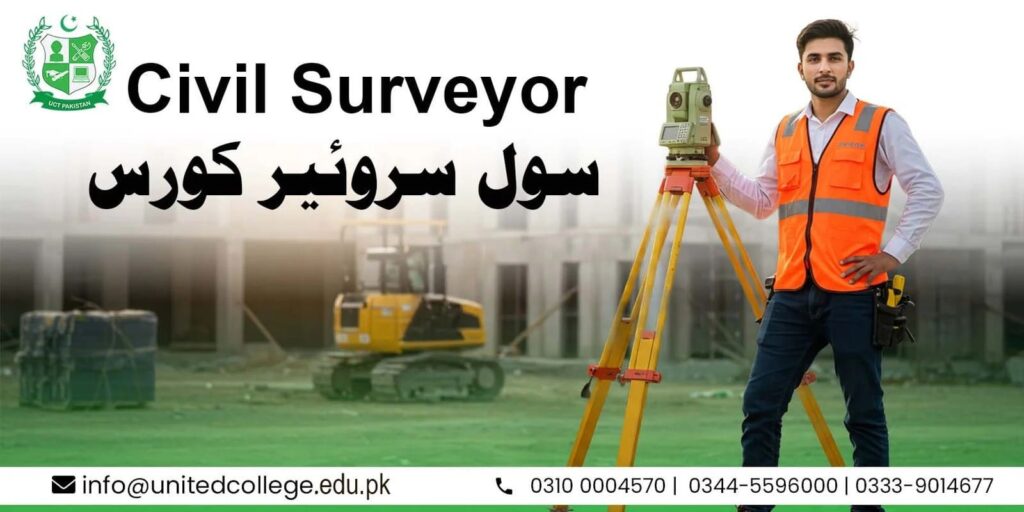
The Essential Role of Civil Surveyors in Construction
Civil surveying is one of the most important professions in the construction and infrastructure industry. Every successful construction project depends on accurate measurements, reliable data, and proper site planning. Professional civil surveyors give the information that engineers, architects, and contractors need to complete projects safely and efficiently.
From measuring land boundaries to supporting large-scale infrastructure developments, civil surveyors play a critical role throughout the construction process. Their expertise helps ensure that projects are completed according to design specifications while minimizing costly errors and delays.
Conducting Land Surveys
One of the primary responsibilities of a professional civil surveyor is conducting land surveys. Surveyors measure and map land areas to determine boundaries, elevations, and physical features. These measurements help property owners, developers, and construction professionals understand a site’s characteristics before any work begins.
Accurate land surveys are essential for preventing boundary disputes and ensuring that construction takes place within designated property limits.
Collecting and Analyzing Site Data
Civil surveyors gather detailed information about construction sites. They assess terrain conditions, slopes, drainage patterns, existing structures, and other factors that may influence project planning and development.
The collected data is carefully analyzed and presented in reports, maps, and drawings that assist engineers and architects in making informed decisions. Without reliable survey information, designing safe and efficient structures would be much more difficult.
Establishing Construction Layouts
Before construction starts, surveyors establish reference points and control lines that guide builders throughout the project. These markers help ensure that structures are positioned correctly according to approved plans.
Whether constructing a building, road, bridge, or pipeline, accurate layout work is essential for maintaining design accuracy and preventing alignment issues. Surveyors regularly verify measurements during construction to ensure that work remains on track.
Using Advanced Surveying Equipment
Modern civil surveyors are responsible for operating sophisticated surveying equipment. Tools such as total stations, GPS systems, drones, laser scanners, and Geographic Information Systems (GIS) have become standard in the industry.
These technologies allow surveyors to collect highly accurate data quickly and efficiently. A professional surveyor must understand how to operate, calibrate, and maintain these tools to ensure reliable results.
Supporting Infrastructure Projects
Large-scale infrastructure projects rely heavily on civil surveyors. Roads, highways, railways, airports, dams, and utility networks require extensive surveying before construction can begin.
Surveyors help determine suitable locations, identify potential challenges, and provide the measurements needed for engineering designs. Their work contributes to the successful development of infrastructure that supports economic growth and community development.
Ensuring Compliance and Accuracy
Civil surveyors are responsible for ensuring that projects comply with legal requirements, construction standards, and approved design specifications. They verify measurements, monitor progress, and identify any deviations that could affect project quality.
By maintaining accuracy throughout the construction process, surveyors help reduce costly mistakes, minimize delays, and improve overall project efficiency.
Preparing Maps and Survey Reports
Another important responsibility is preparing detailed maps, drawings, and survey reports. These documents provide valuable information for engineers, architects, government agencies, and property owners.
Professional survey reports include measurements, boundary details, elevation data, and site conditions. Accurate documentation supports project planning, approval processes, and future development activities.
Career Development in Civil Surveying
As construction and infrastructure projects continue to expand, the demand for qualified civil surveyors remains strong. Individuals interested in pursuing this profession need technical knowledge, practical experience, and familiarity with modern surveying technologies.
To support aspiring professionals, the United College of Technology (UCT) is offering a Civil Surveyor Diploma in Rawalpindi. The program helps students develop the skills required to work effectively in the surveying and construction industries.
Why Professional Civil Surveyors Are Important?
Professional civil surveyors contribute to every stage of a construction project, from initial site assessment to completion. Their responsibilities include land measurement, site analysis, construction layout, data collection, and quality verification.
Without accurate surveying, construction projects would face significant risks of design errors, safety issues, and legal disputes. As a result, civil surveyors remain essential professionals who help ensure the successful completion of modern construction and infrastructure projects.