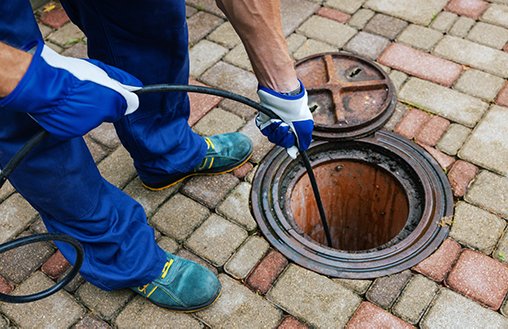
A sewer problem rarely starts with a dramatic scene. Most of the time, it begins quietly. A shower drains slower than usual. A toilet makes a gurgling sound after the washing machine runs. A kitchen sink backs up once, then works fine for a week. Many homeowners treat these as small annoyances, and sometimes they are. But in an older city like Alameda, those early signs can point to a bigger issue below the surface.
Alameda has many homes with older plumbing systems, mature trees, narrow lots, long sewer laterals, and outdoor spaces that homeowners work hard to protect. When a sewer line fails, the repair is not only about fixing a pipe. It can also affect the driveway, sidewalk, garden, patio, and day-to-day use of the property.
That is why more homeowners are asking about trenchless plumbing in Alameda when sewer line problems come up. It is not the right answer for every property, but when the pipe condition allows it, it can reduce digging and help protect the home’s outdoor areas.
Why Sewer Lines Deserve More Attention
Most homeowners think about faucets, toilets, water heaters, and visible leaks first. Sewer lines sit out of sight, so they are easy to ignore until something backs up.
But the sewer lateral is one of the most important parts of a home’s plumbing system. It carries wastewater from the house to the public sewer main. If that line becomes blocked, cracked, root-filled, or poorly sloped, the whole home can feel the problem.
In Alameda, private sewer lateral care is not just a homeowner preference. The City of Alameda has public guidance around private sewer laterals, and East Bay Municipal Utility District also provides guidance for sewer lateral compliance. That tells us something simple: underground sewer lines matter to both homeowners and the wider public system.
A damaged lateral can allow rainwater or groundwater to enter the sewer system. That extra water can add strain during storms. A leaking sewer lateral can also let wastewater escape into soil. For a homeowner, the result may be repeat backups, sewer odors, wet spots, or expensive damage.
The Data Behind “Small” Plumbing Problems
Small plumbing issues can add up faster than people expect. The EPA’s WaterSense program reports that average household leaks can waste nearly 10,000 gallons of water per year. It also notes that 10% of homes have leaks that waste 90 gallons or more per day.
Those numbers are about household leaks, not sewer lines alone, but they show a useful point: hidden plumbing problems are rarely harmless. A dripping faucet, leaking toilet, or slow underground leak may seem minor at first, yet the long-term cost can be large.
Sewer problems follow a similar pattern. A single slow drain may not seem urgent. But if the issue keeps coming back, it often means the cause was never solved. In older homes, common causes can include root intrusion, pipe scale, cracked clay pipe, worn cast iron, pipe separation, or a sagging section where waste collects.
A homeowner may pay for repeated drain clearing without knowing that the pipe itself is damaged. That is where inspection matters.
What Trenchless Plumbing Actually Does
Traditional sewer repair often involves digging a trench to expose the damaged pipe. In some cases, that is still the best or only option. If the pipe has collapsed badly, has major slope problems, or cannot support lining, open excavation may be needed.
Trenchless plumbing is different. It uses smaller access points, when possible, to repair or replace underground pipe with less surface disruption.
Two common methods are pipe lining and pipe bursting.
Pipe lining places a resin-coated liner inside the existing pipe. Once it cures, it creates a new inner pipe surface. This can work when the old pipe still has enough shape to hold the liner.
Pipe bursting breaks the old pipe while pulling a new pipe into its place. This may be used when replacement is needed and the site allows access.
The main value is not that the work sounds modern. The value is practical. Less digging can mean less damage to landscaping, walkways, concrete, and daily routines.
Why Alameda Homes Are a Good Case Study
Alameda has many properties where outdoor disruption can be a real concern. Some homes have small front yards, older hardscapes, established plants, shared driveways, or sewer lines that pass under areas the owner would rather not tear apart.
Imagine a homeowner near a tree-lined street who has dealt with the same sewer backup three times in two years. The plumber clears the line each time, but the problem returns. A camera inspection later shows roots entering an older pipe joint. If the pipe condition is suitable, trenchless repair may allow the damaged section to be fixed with limited digging.
Now compare that with a full trench through the front yard and walkway. The plumbing repair may be only one part of the cost. The homeowner may also need concrete work, landscaping, cleanup, and time away from normal home use.
That is why homeowners should ask not only, “What will fix the pipe?” but also, “What will the repair do to the rest of the property?”
Warning Signs That Point to Sewer Trouble
Sewer line issues often give warnings before a full backup happens. The challenge is noticing the pattern.
Homeowners should pay close attention to these signs:
- Several drains running slowly at the same time
- Toilets bubbling or gurgling
- Water backing up into a shower or tub
- Sewage smell indoors or near the yard
- Frequent clogs in the same drain
- Wet or sunken spots outside
- A very green patch of grass over the sewer line
- Drain problems after heavy water use
- Recurring need for rooter service
One clogged bathroom sink may be a local clog. But if the toilet, shower, and laundry drain all react together, that may point to the main line.
The pattern matters. A one-time clog is different from a clog that returns every few months.
Why Camera Inspection Should Come Before Big Decisions
A sewer camera inspection gives the homeowner and plumber a clearer view of the pipe. It can show whether the issue is caused by roots, grease, cracks, a broken joint, a dip in the line, or a full collapse.
Without inspection, repair choices can become guesswork. A drain may be cleared, but the damaged area may remain. A homeowner may be told to replace a line when cleaning or lining could work. Or the opposite may happen: the line may be too damaged for lining, and a temporary fix only delays the real repair.
Good diagnosis protects the homeowner from paying for the wrong answer.
For Alameda homes, this is also helpful because sewer lateral rules and compliance needs may come into play during property sale, remodeling, or certain sewer-related work. Knowing the pipe condition early can help a homeowner plan instead of reacting under pressure.
When Trenchless Repair May Not Be Right
Trenchless plumbing has real benefits, but it should not be presented as a fit for every job.
It may not work well if the pipe has fully collapsed, has major low spots, has poor grade, or cannot be accessed safely. Pipe lining also needs the old pipe to have enough structure for the liner to set correctly.
That is why a careful plumber should inspect first, explain the pipe condition, and then compare repair choices. The best option is the one that fits the pipe, the property, and the homeowner’s long-term needs.
How Homeowners Can Reduce Sewer Risk
No homeowner can stop every sewer issue, but simple habits can reduce risk.
Do not flush wipes, paper towels, cotton pads, or hygiene products. “Flushable” wipes still cause problems in many systems. Keep grease and cooking oil out of drains. Use strainers in showers and tubs. Avoid planting large-root trees near sewer lines without checking where the lateral runs.
If the home has a history of sewer backups, schedule an inspection before the next problem. Waiting for a backup usually limits choices and raises stress.
It also helps to keep records. Save inspection videos, repair notes, permits, and service dates. If a problem returns, those records can show whether it is the same section of pipe or a new issue.
A Smarter Way to Think About Sewer Repair
Sewer repair should not be seen as a last-minute crisis only. For older homes, it is part of long-term property care.
A well-maintained sewer line protects the home from backups, helps avoid wastewater problems, and can reduce the need for repeat emergency visits. In a city like Alameda, where homes often have age, character, and outdoor features worth protecting, the repair method matters.
Trenchless plumbing gives homeowners another path. It can reduce digging, protect finished surfaces, and solve certain sewer problems with less disruption. But the decision should always start with facts: symptoms, inspection results, pipe condition, access points, and local requirements.
Final Thoughts
The best sewer repair is not always the biggest repair. It is the repair that solves the actual problem with the least unnecessary damage.
For Alameda homeowners, that means paying attention to early warning signs, using camera inspection before major decisions, and asking whether trenchless options are suitable before agreeing to open excavation.
A slow drain may not be a crisis today. A gurgling toilet may seem easy to ignore. But when these signs repeat, the sewer line may be telling you something. Listening early can protect the home, the yard, and the budget.