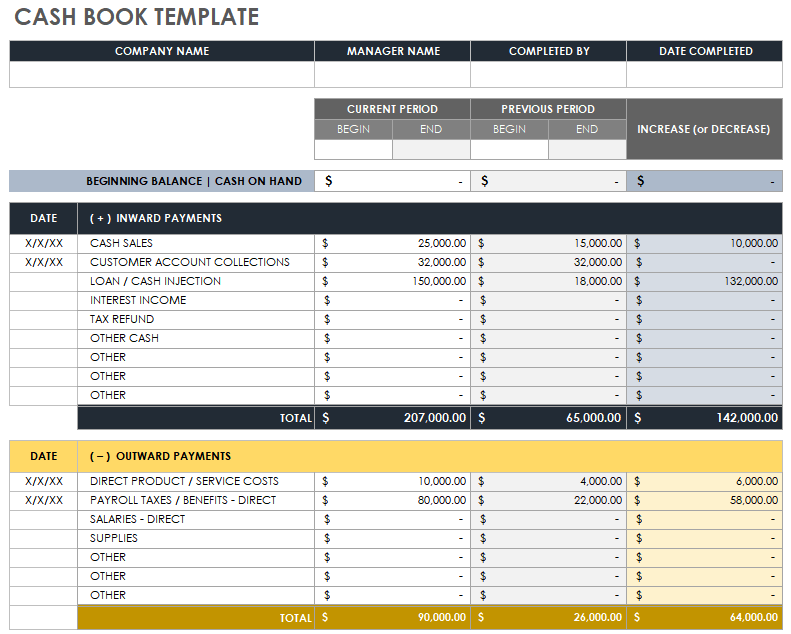
Understanding Small Business Bookkeeping
Small business bookkeeping is the process of recording, organizing, and managing all financial transactions of a business in a structured way. It includes tracking income, expenses, invoices, payroll, taxes, and financial reports to ensure the business runs smoothly and stays financially healthy. Without proper bookkeeping, even profitable businesses can struggle to understand their financial position, which can lead to cash flow problems and poor decision-making.
At AlexisRobins, we recognize that many small business owners focus heavily on operations, sales, and customer service while often overlooking financial record-keeping. However, bookkeeping is the foundation of every successful business because it provides clear insight into how money moves in and out of the company.
Why Bookkeeping Is Important for Small Businesses
Bookkeeping is essential because it helps business owners understand their financial performance at any given time. It ensures that every transaction is recorded accurately, which helps in making informed decisions. When financial records are up to date, businesses can track profits, manage expenses, and plan for future growth more effectively.
Proper bookkeeping also helps prevent financial errors and reduces the risk of fraud or mismanagement. It provides transparency, making it easier for business owners to monitor their operations and identify areas where costs can be reduced. Additionally, accurate bookkeeping is necessary for tax preparation, ensuring compliance with legal requirements and avoiding penalties.
Key Components of Small Business Bookkeeping
Small business bookkeeping involves several important financial tasks that work together to maintain accurate records and ensure financial stability.
Recording Financial Transactions
Every business transaction, whether it is a sale, purchase, payment, or expense, must be recorded accurately. This includes keeping track of receipts, invoices, and digital payments. Proper documentation ensures that all financial activity is traceable and organized.
Managing Accounts Payable and Receivable
Accounts payable refers to the money a business owes to suppliers, while accounts receivable refers to the money customers owe the business. Managing these accounts efficiently helps maintain healthy cash flow and ensures that payments are made and received on time.
Bank Reconciliation
Bank reconciliation involves comparing business records with bank statements to ensure accuracy. This process helps identify discrepancies, missing transactions, or errors that may have occurred during recording. Regular reconciliation ensures financial data remains reliable.
Payroll Management
For businesses with employees, payroll management is an important part of bookkeeping. It includes calculating salaries, taxes, deductions, and benefits. Accurate payroll ensures employees are paid correctly and on time while maintaining compliance with tax laws.
Financial Reporting
Financial reports provide a clear overview of a business’s financial health. These reports include profit and loss statements, balance sheets, and cash flow statements. They help business owners understand profitability and make strategic decisions.
Common Bookkeeping Challenges for Small Businesses
Many small business owners face challenges when managing bookkeeping on their own. One common issue is lack of time, as business owners often juggle multiple responsibilities. Bookkeeping requires consistency and attention to detail, which can be difficult without proper systems in place.
Another challenge is lack of financial knowledge. Without understanding accounting principles, it becomes easy to make errors that can affect financial accuracy. Additionally, keeping up with tax regulations and financial compliance can be overwhelming for small businesses.
At AlexisRobins, we understand these challenges and emphasize the importance of maintaining organized and accurate financial records to avoid long-term issues.
Benefits of Proper Bookkeeping for Small Businesses
Good bookkeeping offers many benefits that directly impact the success and stability of a business. It improves financial clarity, allowing business owners to see exactly where money is being spent and earned. This helps in making smarter budgeting and investment decisions.
Accurate bookkeeping also supports better cash flow management. When business owners know their financial status in real time, they can avoid overspending and ensure they always have enough funds to cover expenses.
Another key benefit is tax readiness. Organized financial records make it easier to file taxes accurately and on time, reducing stress and minimizing the risk of penalties or audits.
Manual Bookkeeping vs Digital Bookkeeping
Traditionally, bookkeeping was done manually using paper records and spreadsheets. While this method is still used by some small businesses, it is time-consuming and more prone to human error.
Digital bookkeeping, on the other hand, uses accounting software to automate financial tracking and reporting. This method is faster, more accurate, and easier to manage. It also allows business owners to access financial data in real time and generate reports instantly.
At AlexisRobins, we encourage small businesses to adopt modern bookkeeping tools that simplify financial management and improve efficiency.
Tips for Effective Small Business Bookkeeping
Maintaining proper bookkeeping requires consistency and organization. One important tip is to separate personal and business finances. This makes it easier to track business expenses and avoid confusion during tax filing.
Another useful practice is to record transactions regularly instead of waiting until the end of the month. Keeping records up to date reduces errors and ensures accurate financial reporting.
It is also important to keep all receipts and invoices organized, whether digitally or physically. This helps in verifying transactions and supporting financial claims when needed.
Finally, reviewing financial reports regularly allows business owners to understand their performance and make necessary adjustments.
Role of Bookkeeping in Business Growth
Bookkeeping plays a crucial role in business growth by providing clear financial insights. When business owners understand their financial position, they can plan expansions, manage investments, and control costs more effectively.
Accurate financial data also helps in securing loans or attracting investors. Lenders and investors often require detailed financial reports before providing funding. Proper bookkeeping ensures that businesses are always prepared with reliable financial information.
At AlexisRobins, we believe that strong financial management is the foundation of sustainable business growth.
When Should a Small Business Hire a Bookkeeper
As a business grows, bookkeeping becomes more complex and time-consuming. Many small business owners start handling bookkeeping themselves but eventually reach a point where professional help becomes necessary.
Hiring a bookkeeper is recommended when financial transactions become too frequent to manage efficiently or when business owners need more time to focus on core operations. A professional bookkeeper ensures accuracy, saves time, and helps maintain financial stability.
Final Thoughts on Small Business Bookkeeping
Small business bookkeeping is an essential part of running a successful and financially stable company. It ensures accurate financial tracking, supports better decision-making, and helps maintain compliance with tax regulations.
At AlexisRobins, we emphasize the importance of organized financial management for long-term success. Whether done manually or through digital tools, proper bookkeeping helps small businesses grow with confidence, stability, and clarity.