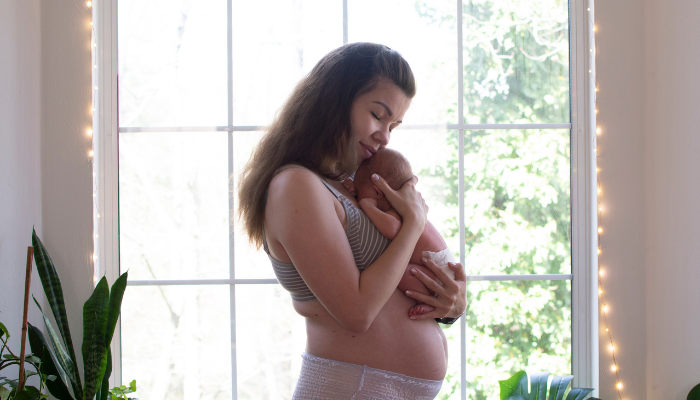
Becoming a parent is a huge personal change for any woman, but bringing a baby home creates great physical and emotional demands on your body. A thorough understanding of Postpartum Recovery is critical for new mothers. Whether you have a normal vaginal delivery or a caesarean section, you will need to heal and rest, to eat properly, and to receive emotional support after giving birth.
When we refer to Postpartum (after child birth) as your ‘Fourth Trimester’, we mean that this is an important time for you, as your body goes through multiple changes and your mind adjusts to being a parent. Some of the changes that may require time to adjust and recover from include: Hormonal changes; pelvic muscles that require recovery from the delivery process; physical and emotional well-being; challenges related to breastfeeding; etc., you will endure your own journey of recovery.
Swaaya Cosmetic Gynaecology Clinic has specialists who will provide you with the Individualised Care you deserve as you recover. The Swaaya Cosmetic Gynaecology Clinic is located at 514 & 515, JB Complex, Plot No. 8, Hazipur, Sector 104, Noida, Uttar Pradesh 201304, and provides expert consultations and comprehensive care for women seeking assistance with Postpartum Wellness.
What is Postpartum Recovery?
Postnatal recovery describes the time immediately following childbirth during which the body heals from pregnancy, labour, and childbirth while adjusting to the physical and emotional demands of taking care of a new baby.
Postpartum recovery occurs during:
- The return of the uterus to its pre-pregnancy size
- The body’s balance of hormones
- Healing of the vagina through vaginal or C-section delivery
- Adjusting to breastfeeding
- Mental and emotional recovery
- Healing of the pelvic floor
- Regaining energy and strength
While many woman will feel better within 6 weeks of delivery, the complete recovery from delivery can take months, depending on the method of delivery, the woman’s overall health, and a number lifestyle factors.
Understanding the Stages of Postpartum Recovery
Week 1 After Delivery
For many women, the first few days after the birth of their baby can be the toughest on them physically. During this time, mothers often endure:
- Lochia (vaginal bleeding)
- Fatigue
- Breast engorgement
- Perineal discomfort
- Cramps in the abdominal area
- Sleep deprivation
Women who deliver via C-section (Cesarean delivery) may also have pain associated with their incision and may have limited movement following surgery.
Mothers need to continue to get plenty of rest, drink plenty of fluids and have supportive family members during these early days.
Weeks 2 to 4
During the second to fourth week:
- Bleeding gradually decreases
- Pain and swelling begin to improve
- Energy levels slowly increase
- Breastfeeding routines become more manageable
This stage is also emotionally sensitive because hormonal changes can trigger mood swings, anxiety, or irritability. Emotional care is just as important as physical healing.
Weeks 5 to 8
Most women attend their postpartum check-up around six weeks after delivery. At this point:
- The uterus has mostly healed
- Vaginal bleeding becomes minimal
- Surgical wounds improve significantly
- Gentle exercise may be resumed
However, healing does not stop at six weeks. Many mothers continue experiencing changes for several months.
Physical Changes During Postpartum Recovery
Vaginal Bleeding (Lochia)
After childbirth, the body sheds the uterine lining through vaginal discharge called lochia. The bleeding starts bright red and heavy before gradually becoming lighter over four to six weeks.
Seek immediate medical attention if you notice:
- Very heavy bleeding
- Large blood clots
- Foul-smelling discharge
- Fever or severe pain
Breast Changes
As milk production begins, many mothers experience:
- Breast tenderness
- Swelling
- Leaking milk
- Engorgement
Frequent breastfeeding, proper latching, and hydration can help manage discomfort.
Hormonal Changes
Hormonal fluctuations after delivery can affect:
- Mood
- Energy levels
- Hair growth
- Skin health
- Sleep patterns
These changes are temporary but may take several months to stabilise.
Importance of Post Delivery Rehabilitation
One of the most overlooked aspects of maternal health is post delivery rehabilitation. After childbirth, the body undergoes stress that can weaken muscles, joints, and pelvic tissues. Proper rehabilitation helps women regain strength safely and effectively.
Benefits of post delivery rehabilitation include:
- Faster recovery
- Improved posture
- Better core strength
- Reduced pelvic pain
- Improved bladder control
- Increased energy levels
- Enhanced emotional wellbeing
Women who ignore rehabilitation may experience long-term issues such as pelvic floor dysfunction, urinary leakage, chronic back pain, and weakened abdominal muscles.
At Swaaya Cosmetic Gynaecology Clinic, customised recovery plans help mothers recover safely with expert guidance and advanced postpartum care support.
Pelvic Floor Therapy After Childbirth
Pregnancy and delivery place significant pressure on the pelvic floor muscles. This is why pelvic floor therapy is a crucial part of postpartum care.
The pelvic floor supports:
- The bladder
- Uterus
- Rectum
Weak pelvic muscles can cause:
- Urinary incontinence
- Pelvic pain
- Lower back pain
- Pain during intimacy
- Pelvic organ prolapse
Benefits of Pelvic Floor Therapy
Professional pelvic floor therapy helps restore muscle strength and function through specialised exercises and rehabilitation techniques.
Benefits include:
- Improved bladder control
- Better pelvic stability
- Reduced pain
- Faster healing
- Improved sexual wellness
- Enhanced core support
Simple Kegel exercises are often recommended, but some women benefit from advanced pelvic floor rehabilitation programs supervised by specialists.
Postpartum Recovery Treatment Options
Every woman’s body heals differently, which is why personalised postpartum recovery treatment is essential.
Common postpartum recovery treatment options include:
Pain Management
Doctors may recommend:
- Warm compresses
- Sitz baths
- Pain medications
- Ice packs
These methods help reduce soreness and swelling after delivery.
Nutritional Support
A healthy postpartum diet supports:
- Tissue healing
- Milk production
- Energy restoration
- Hormonal balance
Important nutrients include:
- Iron
- Calcium
- Protein
- Fibre
- Omega-3 fatty acids
Hydration is equally important, especially for breastfeeding mothers.
Physiotherapy and Rehabilitation
Many women benefit from:
- Core strengthening exercises
- Guided stretching
- Pelvic rehabilitation
- Breathing exercises
Professional physiotherapy improves mobility and supports long-term recovery.
Emotional and Mental Health Support
Postpartum emotional wellness should never be ignored. Some women experience:
- Baby blues
- Anxiety
- Stress
- Postpartum depression
Professional counselling and emotional support can make a significant difference during recovery.
Emotional Recovery After Childbirth
Motherhood brings joy, but it can also feel overwhelming. Emotional recovery is an important part of Postpartum Recovery.
Baby Blues
Baby blues are common during the first two weeks after delivery and may include:
- Crying spells
- Mood swings
- Irritability
- Fatigue
These symptoms usually improve naturally.
Postpartum Depression
If sadness, anxiety, or hopelessness continues beyond two weeks, it may indicate postpartum depression.
Warning signs include:
- Severe sadness
- Loss of interest in daily activities
- Difficulty bonding with the baby
- Panic attacks
- Sleep disturbances
- Thoughts of self-harm
Professional medical support is important for proper recovery and emotional wellbeing.
Exercise During Postpartum Recovery
Returning to exercise should happen gradually.
Safe Postpartum Exercises
Women may begin with:
- Gentle walking
- Breathing exercises
- Stretching
- Pelvic floor exercises
After medical clearance, activities such as yoga, swimming, and light strength training can be introduced.
Avoid:
- Heavy lifting
- Intense workouts
- High-impact exercises too early
Listening to your body is key during recovery.
Self-Care Tips for New Mothers
Proper self-care can improve both physical and emotional healing.
Prioritise Rest
Sleep whenever possible. Recovery requires adequate rest.
Accept Help
Family and friends can assist with:
- Household chores
- Cooking
- Baby care
Support reduces stress and exhaustion.
Eat Nutritious Meals
Balanced meals improve:
- Healing
- Energy levels
- Breastfeeding health
Stay Hydrated
Drinking enough water helps:
- Milk production
- Digestion
- Energy maintenance
Attend Follow-Up Appointments
Regular postpartum check-ups help identify complications early and ensure safe recovery.
Warning Signs You Should Never Ignore
Contact your doctor immediately if you experience:
- Heavy bleeding
- High fever
- Severe abdominal pain
- Chest pain
- Difficulty breathing
- Foul-smelling discharge
- Severe headaches
- Redness around surgical wounds
- Thoughts of self-harm
Early medical intervention can prevent serious complications.
Also read: Top 5 Ecommerce Digital Marketing Agencies in India (2026 Updated)
Why Choose Swaaya Cosmetic Gynaecology Clinic?
For women seeking expert Postpartum Recovery, advanced post delivery rehabilitation, and specialised pelvic floor therapy, Swaaya Cosmetic Gynaecology Clinic provides compassionate and personalised care.
The clinic focuses on:
- Women’s wellness
- Postpartum healing
- Pelvic rehabilitation
- Recovery treatments
- Emotional support
- Holistic maternal care
Address: 514 & 515, JB Complex, Plot No. 8, Hazipur, Sector 104, Noida, Uttar Pradesh 201304