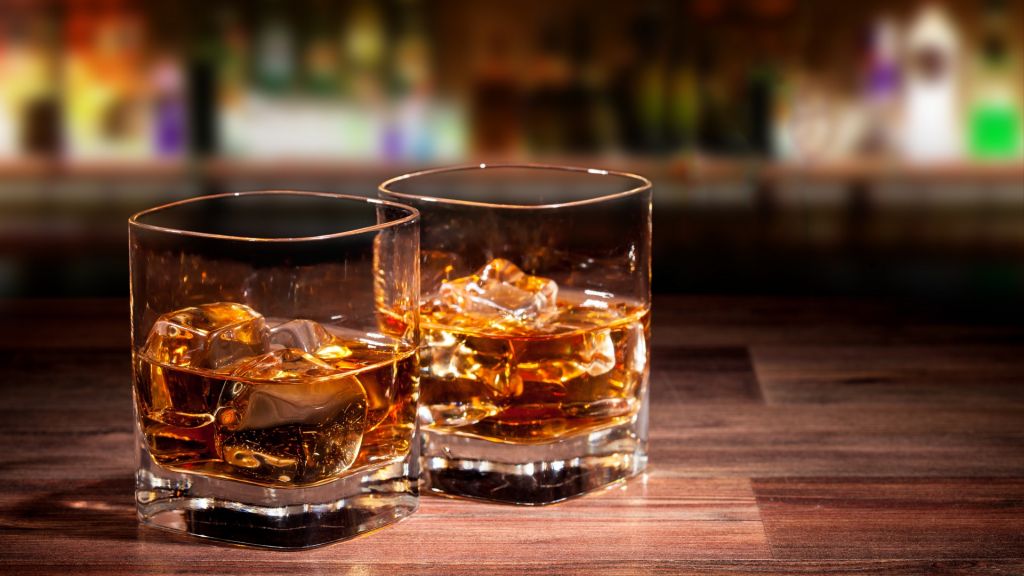
Over the past decade, drinking culture has been undergoing a quiet but powerful transformation. Consumers are becoming more health-conscious, more curious about flavor complexity, and less committed to alcohol as a default social lubricant. In this shifting landscape, one category has started to stand out: non alcoholic whiskey.
Once considered impossible to replicate, whiskey’s deep smoky character, oak-aged warmth, and layered spice profile are now being reimagined without ethanol. What was once a novelty idea has evolved into a fast-growing niche within the broader “no and low” alcohol movement. Today, the future of spirits is no longer defined only by intoxication, but by experience, flavor, and choice.
Why People Are Moving Toward Alternatives
The rise of mindful drinking is not driven by a single factor. Instead, it reflects a combination of lifestyle, health, and cultural change. Younger consumers, especially Millennials and Gen Z, are drinking less than previous generations. Many are motivated by fitness goals, mental clarity, or simply a desire to avoid hangovers.
At the same time, social settings are changing. It is now more common for groups to include both drinkers and non-drinkers, and people increasingly expect sophisticated alternatives beyond soda or juice. This is where non alcoholic whiskey enters the conversation, offering an option that feels familiar in ritual but different in impact.
The appeal is not about replacing alcohol entirely. Instead, it is about expanding choice—allowing someone to enjoy the taste and experience of whiskey without the physiological effects of alcohol.
The Science Behind Flavor Without Alcohol
Creating a convincing whiskey without alcohol is a technical challenge. Traditional whiskey relies on fermentation and aging in oak barrels to develop its signature profile. Removing alcohol from the equation means rethinking the entire process.
Producers of non alcoholic whiskey often use a combination of distillation techniques, botanical extraction, and flavor layering. Some start with de-alcoholized spirits, carefully stripping ethanol while trying to preserve aromatic compounds. Others build flavor from scratch using natural ingredients such as smoked wood extracts, vanilla, caramel notes, spices, and tea infusions.
One of the biggest hurdles is mouthfeel. Alcohol provides warmth, viscosity, and a slight burn—sensations that are difficult to replicate. To address this, manufacturers use plant-based glycerins or advanced emulsions to create body and texture. The goal is not perfect imitation, but emotional resemblance: a drink that feels “whiskey-like” in both aroma and ritual.
Innovation Driving the Category Forward
The evolution of non alcoholic whiskey is closely tied to innovation in food science and beverage technology. Modern producers are increasingly using molecular distillation and aroma capture systems that isolate specific flavor compounds found in aged spirits.
Barrel-aging simulation is another breakthrough area. Instead of years in oak barrels, some products use oak chips, pressure infusion, or ultrasonic aging techniques to accelerate flavor development. While purists may debate authenticity, these methods allow for rapid experimentation and product iteration.
Artificial intelligence is also beginning to play a role. Some companies are using AI-driven flavor modeling to replicate tasting notes of traditional whiskey profiles—such as smoky peat, dried fruit, or toasted oak. This blending of technology and craftsmanship is pushing the category into uncharted territory.
The Market Growth and Consumer Demand
The global demand for alcohol alternatives has surged significantly in recent years. The broader “no-alcohol” segment is now one of the fastest-growing areas in the beverage industry, and whiskey alternatives are riding that wave.
Premium positioning is a key factor. Consumers are not looking for cheap substitutes; they want complex, well-designed beverages that fit into adult social contexts. As a result, non alcoholic whiskey products are often priced similarly to mid-range spirits, emphasizing craftsmanship over volume.
Retailers and bars are also responding. Many upscale establishments now include alcohol-free spirit menus, allowing guests to enjoy cocktails like old fashioneds or whiskey sours without alcohol. This normalization is helping the category move from novelty to mainstream acceptance.
Cultural Shift: Redefining What Whiskey Means
Whiskey has always carried cultural weight. It is associated with tradition, craftsmanship, patience, and even identity. Introducing a non-alcoholic version challenges long-held assumptions about what whiskey is supposed to be.
For some, this is controversial. Critics argue that removing alcohol removes the essence of the spirit. However, supporters see it differently. They view non alcoholic whiskey as an expansion of the category rather than a replacement. It preserves the ritual—the glass, the aroma, the slow sipping experience—while removing intoxication.
This shift reflects a broader cultural movement: the decoupling of enjoyment from alcohol content. In this view, whiskey becomes less about the chemical effect and more about sensory storytelling.
Challenges Facing the Industry
Despite its growth, the category still faces significant challenges. The first is perception. Many consumers remain skeptical that a whiskey-like experience can exist without alcohol. Early attempts in the market often struggled with taste authenticity, creating a lingering stigma.
Another challenge is regulation and labeling. In many regions, strict definitions of “whiskey” require alcohol content, meaning producers must carefully navigate branding and classification rules. This can limit marketing flexibility and consumer understanding.
Finally, there is the technical limitation of replicating complexity. While modern non alcoholic whiskey products can achieve impressive flavor profiles, they still struggle to fully match the depth and evolution of traditionally aged spirits.
The Future of Alcohol-Free Spirits
Looking ahead, the category is likely to become more refined, more diverse, and more integrated into mainstream drinking culture. As technology improves, we can expect more accurate flavor replication, better mouthfeel, and wider accessibility.
We may also see hybrid drinking cultures emerge, where alcoholic and non-alcoholic spirits are used interchangeably depending on context. Bars may offer paired tasting menus featuring both versions of a drink, highlighting flavor rather than alcohol content.
Sustainability could also play a role. Alcohol-free production often requires fewer resources than traditional distillation and aging, making it attractive in an environmentally conscious market.
Ultimately, non alcoholic whiskey is not just a trend; it is part of a broader redefinition of what it means to drink socially in the modern world.
Conclusion
The rise of alcohol-free spirits represents a fundamental shift in how people think about drinking. Rather than being defined by restriction, it is increasingly defined by choice, creativity, and inclusivity.
Whether it fully replicates traditional whiskey is almost beside the point. What matters is that it offers an alternative experience—one that fits into changing lifestyles and evolving cultural values.