Your eyes depend on a healthy retina to create clear vision and support daily activities.
Changes in the retina can sometimes happen slowly without causing pain or early warning signs.
One condition that often develops quietly is Lattice Retinal Degeneration, which affects the thin tissue at the back of the eye and may increase the risk of serious retinal problems if left untreated.
Many people do not realize they have this condition until they visit an eye specialist for a routine examination. In some cases, the condition may remain stable for years. In other situations, it can lead to retinal tears or retinal detachment, which may threaten vision. Understanding the causes, symptoms, risks, and treatment options can help people protect their eyesight and seek timely care.
What Is Lattice Retinal Degeneration?
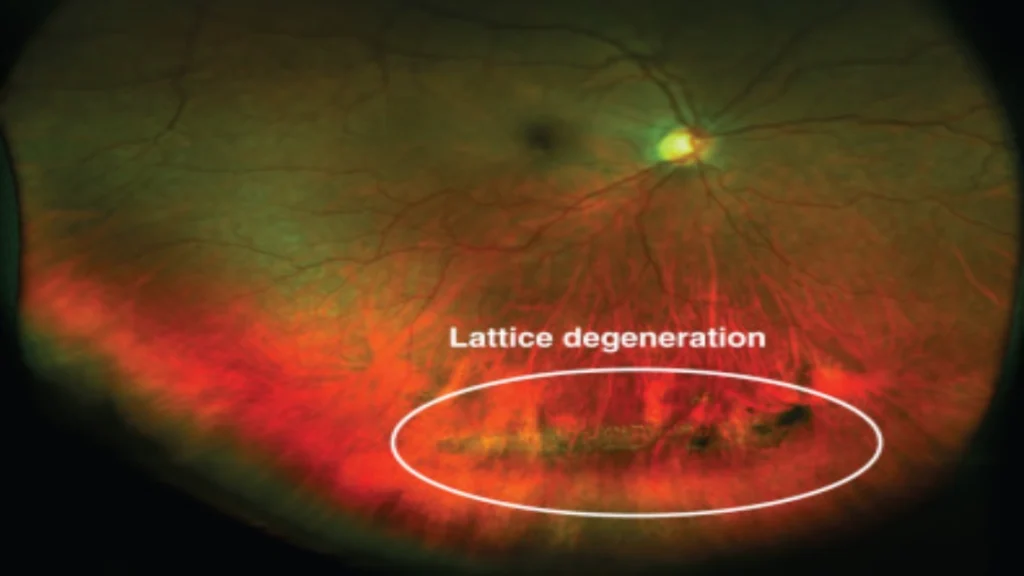
Lattice Retinal Degeneration is an eye condition that affects the peripheral retina, which is the outer area of the retina located at the back of the eye. The retina is responsible for receiving light and sending visual signals to the brain. When certain areas of the retina become thin and weak, they may develop a pattern that looks like crossed lines or a lattice shape. This is why the condition is called lattice degeneration.
The weakened areas of the retina are more likely to develop tears or holes. If fluid passes through these tears, the retina may separate from the back of the eye. This condition is known as retinal detachment and requires immediate medical attention.
Lattice degeneration is usually found in both eyes, although one eye may be affected more than the other. The condition is relatively common and can occur in people of different ages.
Why Does This Condition Happen?
The exact cause of lattice degeneration is not always known. However, doctors believe several factors may increase the chances of developing it.
Common Risk Factors
Nearsightedness (Myopia)
People with moderate or severe nearsightedness are more likely to develop lattice degeneration. In nearsighted individuals, the eyeball may be slightly longer than normal, which can stretch the retina and make it thinner.
Family History
The condition may run in families. If close family members have retinal problems or retinal detachment, there may be a higher chance of developing lattice degeneration.
Aging
As people grow older, natural changes occur in the vitreous gel inside the eye. The gel may pull on weak areas of the retina and increase the risk of tears.
Previous Eye Problems
A history of eye injuries, retinal tears, or retinal surgery may increase the likelihood of retinal degeneration.
Other Eye Conditions
Certain inherited retinal diseases and connective tissue disorders may also raise the risk.
How Common Is Lattice Retinal Degeneration?
Lattice degeneration is more common than many people realize. Eye specialists estimate that it affects a noticeable percentage of the population. However, many people never experience serious complications.
The condition is often discovered during a detailed retinal examination. Since it may not cause symptoms in the early stages, routine eye checkups are important for early detection.
Symptoms of Lattice Retinal Degeneration
Many individuals with lattice degeneration do not notice any symptoms at first. The condition can stay stable for years without affecting vision directly. However, symptoms may appear if complications develop.
Possible Symptoms Include:
- Sudden flashes of light
- Floaters that appear as dark spots or threads
- Blurred or distorted vision
- A shadow or curtain-like effect in the vision
- Sudden loss of side vision
- Difficulty seeing clearly in one eye
These symptoms may indicate a retinal tear or retinal detachment. Immediate medical care is necessary if any of these warning signs appear.
Understanding Retinal Tears and Detachment
One of the biggest concerns related to lattice degeneration is the increased risk of retinal tears and retinal detachment.
What Is a Retinal Tear?
The vitreous gel inside the eye may pull on weakened retinal tissue. This traction can create a small tear or hole in the retina.
What Is Retinal Detachment?
If fluid enters through the tear, it can lift the retina away from its normal position. This separation is called retinal detachment.
Retinal detachment is considered a medical emergency because it can lead to permanent vision loss if not treated quickly.
Warning Signs of Retinal Detachment
- Sudden increase in floaters
- Bright flashes of light
- Dark curtain over part of the vision
- Sudden blurry vision
- Loss of peripheral vision
Anyone experiencing these symptoms should seek emergency eye care immediately.
How Is Lattice Degeneration Diagnosed?
A complete eye examination is needed to diagnose lattice degeneration. The doctor usually performs a dilated retinal exam to examine the back of the eye carefully.
Common Diagnostic Methods
Dilated Eye Examination
Eye drops are used to widen the pupils so the retina can be viewed clearly.
Retinal Imaging
Special imaging tests may help document retinal thinning or tears.
Indirect Ophthalmoscopy
This method allows the specialist to examine the peripheral retina in detail.
Optical Coherence Tomography (OCT)
OCT scans may sometimes be used to study retinal structures more closely.
Routine eye examinations are important, especially for people who are nearsighted or have a family history of retinal conditions.
Can Lattice Degeneration Cause Blindness?
Lattice degeneration itself does not usually cause blindness. Many people live with the condition without major problems. However, untreated retinal tears or retinal detachment can lead to serious vision loss.
Early diagnosis and timely treatment greatly reduce the risk of permanent damage. This is why regular eye checkups are extremely important.
Treatment Options for Lattice Retinal Degeneration
Not every person with lattice degeneration requires immediate treatment. In many cases, doctors simply monitor the condition regularly.
Treatment depends on the presence of symptoms, retinal tears, or risk factors for retinal detachment.
Observation and Monitoring
If there are no retinal tears or dangerous changes, the doctor may recommend regular follow-up visits. Monitoring helps detect any progression early.
Laser Treatment
Laser photocoagulation is commonly used when retinal tears or weak retinal areas are present.
The laser creates small burns around the affected area. These burns form scar tissue that helps seal the retina and prevent detachment.
Cryotherapy
Cryotherapy uses freezing treatment to create a protective scar around retinal tears. It may be used in some situations instead of laser treatment.
Surgery for Retinal Detachment
If retinal detachment occurs, surgery may be needed urgently. Surgical options may include:
- Vitrectomy
- Scleral buckle surgery
- Pneumatic retinopexy
The choice of procedure depends on the severity and location of the detachment.
What Happens During Laser Treatment?
Laser treatment is usually performed as an outpatient procedure. The process is generally quick and does not require a hospital stay.
Steps of the Procedure
- Eye drops are used to numb the eye.
- A special contact lens may be placed on the eye.
- The laser targets the weak retinal areas.
- Small scars are created to secure the retina.
Patients may notice bright flashes during the treatment, but discomfort is usually minimal.
Recovery After Laser Treatment
Most individuals return home the same day. Mild discomfort or blurry vision may occur temporarily.
Doctors usually recommend:
- Avoiding heavy exercise for a short period
- Attending follow-up visits
- Monitoring for new symptoms
Can Lattice Degeneration Be Prevented?
There is no guaranteed way to prevent lattice degeneration completely. However, early detection and proper eye care can lower the risk of complications.
Helpful Preventive Measures
Regular Eye Examinations
Routine retinal exams are one of the best ways to detect changes early.
Managing Nearsightedness
People with high myopia should have regular retinal evaluations.
Protecting the Eyes
Wearing protective eyewear during sports or risky activities may reduce the risk of eye injuries.
Seeking Immediate Care for Symptoms
Prompt treatment of flashes, floaters, or sudden vision changes can prevent serious complications.
Living With Lattice Retinal Degeneration
Many people with lattice degeneration continue normal daily activities without major restrictions. The key is staying aware of symptoms and maintaining regular follow-up appointments.
Tips for Daily Eye Health
- Follow scheduled eye examinations
- Report new visual symptoms immediately
- Maintain general health conditions like diabetes and blood pressure
- Wear sunglasses outdoors
- Avoid ignoring sudden vision changes
Most people can continue reading, driving, working, and exercising normally unless advised otherwise by their doctor.
Who Is at Higher Risk for Retinal Detachment?
Certain individuals with lattice degeneration may face a higher risk of retinal detachment.
Higher Risk Groups Include:
- People with severe myopia
- Individuals with previous retinal tears
- Those with retinal detachment in the other eye
- People with a strong family history of retinal detachment
- Patients who have undergone eye surgery
- Individuals with eye trauma
These patients often require closer monitoring by an eye specialist.
Importance of Early Detection
Early diagnosis can make a major difference in protecting vision. Retinal tears found early are often easier to treat before retinal detachment develops.
Unfortunately, many retinal conditions progress silently. A person may not notice symptoms until the problem becomes serious. This is why regular comprehensive eye exams are essential, especially for high-risk individuals.
Common Myths About Lattice Degeneration
Myth 1: It Always Causes Blindness
This is not true. Many people with lattice degeneration never develop severe complications.
Myth 2: Symptoms Are Always Present
The condition often causes no symptoms in the early stages.
Myth 3: Only Older Adults Get It
Although aging increases risk, younger people can also develop lattice degeneration, especially those with myopia.
Myth 4: Eye Exams Are Only Needed When Vision Changes
Routine eye exams are important even when vision seems normal.
When Should You Visit an Eye Specialist?
You should schedule an eye examination if you experience:
- Flashes of light
- Sudden floaters
- Blurry vision
- Peripheral vision loss
- Family history of retinal detachment
- Severe nearsightedness
Immediate care is especially important if symptoms appear suddenly.
Conclusion
Lattice Degeneration Laser Treatment is a condition that affects the peripheral retina and may increase the risk of retinal tears or retinal detachment. Although many people may not experience serious complications, early detection and regular monitoring play an important role in protecting vision.
Understanding the warning signs, risk factors, and treatment options helps patients make informed decisions about their eye health. Timely medical attention can greatly reduce the chances of permanent vision problems.
If you notice flashes, floaters, or sudden changes in vision, seeking professional evaluation is essential. For expert guidance and comprehensive retinal care, consulting an experienced specialist such as Dr. Mandeep Lamba can help ensure proper diagnosis and treatment planning.