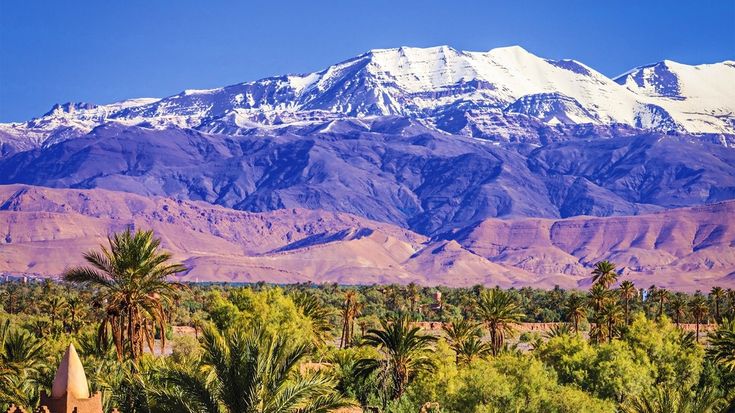
The Atlas Mountains are home to some of the most resilient and culturally rich communities in North Africa. Stretching across Morocco, Algeria, and Tunisia, this mountain range has shaped the identity, survival strategies, and traditions of the Berber (Amazigh) people for thousands of years.
Life in this rugged environment has created a unique social fabric that blends ancient customs with practical adaptations to harsh geography.
Atlas Mountains
The Berber communities living in these highlands have maintained a strong cultural identity despite centuries of external influences. Their villages cling to steep slopes, often built from stone and clay that blend naturally into the landscape. Atlas Mountains, Agriculture, livestock herding, and seasonal migration remain central to their way of life, deeply influenced by altitude, climate, and terrain.
A Life Shaped by the Mountains
Daily life in these highlands is closely tied to the environment. Families often live in small, tightly knit villages where cooperation is essential for survival. Terraced farming is a common practice, allowing communities to grow barley, corn, olives, and walnuts on steep slopes where flat land is scarce. Water management is also crucial, with traditional irrigation channels carefully maintained and shared among households.
Livestock, especially goats and sheep, play a vital role in the economy and diet. Herding is often done collectively, with younger members of the community taking animals to higher pastures during warmer months. This seasonal movement helps preserve grazing land and reflects a long-standing ecological balance between humans and nature.
Language and Identity
The Berber identity is strongly linked to language. Tamazight, in its various regional dialects, is widely spoken among these communities. Oral storytelling is a cherished tradition, passing down history, moral lessons, and folklore from one generation to the next. Poetry and song are especially important, often performed during celebrations and communal gatherings.
Despite modernization and urban migration, many communities continue to preserve their linguistic heritage. In recent decades, there has been renewed recognition of Amazigh culture in education and public life, helping to strengthen cultural pride among younger generations.
Traditional Architecture and Clothing
Villages are typically constructed using local materials such as stone, clay, and wood. Homes are designed to withstand both cold winters and hot summers, with thick walls providing insulation. Flat roofs are often used for drying crops like figs and grains, a practical adaptation to limited space.
Clothing also reflects both tradition and environment. Men and women wear garments suited to the climate, often made from wool. The djellaba, a long hooded robe, is common and provides protection against both sun and cold winds. In many areas, vibrant patterns and handmade textiles reflect local identity and artistic expression.
Social Structure and Community Life
Social organization in these regions is traditionally based on extended family networks and village councils. Decisions affecting the community are often made collectively, reflecting a strong sense of shared responsibility. Elders play an important role in resolving disputes and preserving customs.
Hospitality is a central cultural value. Guests are often welcomed with tea, bread, and olive oil, symbolizing generosity and respect. Weddings, harvest festivals, and religious celebrations bring entire villages together, reinforcing social bonds and cultural continuity.
Agriculture and Seasonal Cycles
Agriculture remains the backbone of survival. The steep terrain requires careful land management, and families often maintain small plots spread across different elevations. This diversification helps reduce risk from unpredictable weather conditions.
Seasonal changes dictate much of daily activity. In winter, snow can isolate villages, making food storage and preparation essential. In spring and summer, farming and herding intensify, while autumn is a time of harvest and preparation for colder months. This rhythm of life has remained largely unchanged for centuries.
Spiritual Beliefs and Traditions
Religion plays an important role in community life, with Islam being widely practiced alongside older cultural traditions. Religious festivals are marked by communal prayers, feasts, and acts of charity. Shrines dedicated to local saints are also common and often serve as spiritual centers for nearby villages.
At the same time, many pre-Islamic customs have been integrated into daily life. These include agricultural rituals, seasonal celebrations, and beliefs tied to nature and ancestors. This blending of traditions reflects the deep historical roots of the communities.
Craftsmanship and Economy
Handicrafts are an important source of income and cultural expression. Weaving, pottery, and jewelry-making are often done at home, with skills passed down through generations. Rugs with geometric patterns are especially well known and are traded in local and international markets.
Tourism has also become increasingly important in recent decades. Visitors are drawn to the scenic landscapes, traditional villages, and opportunities for trekking. While tourism provides economic benefits, it also presents challenges in balancing modernization with cultural preservation.
Challenges and Adaptation
Despite their resilience, these communities face several challenges. Climate change has affected water availability and agricultural productivity, making traditional farming more difficult. Younger generations are increasingly migrating to cities in search of education and employment, leading to demographic shifts in rural villages.
However, adaptation remains a defining feature of life here. Communities continue to integrate modern tools and infrastructure while preserving core traditions. Solar energy, improved road access, and educational programs are gradually transforming daily life without erasing cultural identity.
Conclusion
The Berber communities of the high Atlas Mountains regions represent a living heritage shaped by centuries of adaptation to one of the most demanding environments in North Africa. Their traditions, social structures, and ways of life continue to reflect a deep connection to land, history, and identity.
Even as the modern world reaches further into remote valleys and villages, the cultural fabric of these highlands remains remarkably strong, demonstrating the enduring spirit of the people who call this rugged region home.